The Scottish Government is selling surveillance planes to save money and says drones are used to prevent illegal fishing. But critics argue that losing experienced pilots could mean criminality goes unchecked.
Ithaca Energy announced a major dividend on the eve of UK sanctions against companies operating in illegal Israeli settlements. A few weeks later it paid out £100m to a shareholder the UN says has ‘direct links’ to the occupied territories.
Prospective MSPs are legally required to evidence their election spending and confirm the records are correct. Following an investigation by The Ferret, Police Scotland is examining whether nine Reform UK candidates failed to do so.
Adult adoptees are taking desperate measures to obtain their family ‘health histories’
Adult adoptees are calling for access to genetic testing to address the ‘health gap’ caused by their lack of information about genetically inherited conditions.
Laura Brown is one of many adult adoptees all too used to NHS consultations that start with questions about family health history. A law accountant living in Stirling, she was adopted in 1991 and didn’t meet her birth mother until late in her teens.
Sadly, her birth father died before she could meet him. So her response to these questions is weighed down with gaps in her knowledge.
As Laura told us, reunion and adoption is generally complex, but when it comes to issues concerning health, the situation can get especially tricky. “Over the years I’ve had the energy to pursue getting different parts of my records,” she explained. “But it’s tiring, and you come up against resistance in the system.”It was only after meeting her birth mother that she discovered her parent had had cervical cancer several times. “I wrote to my GP to request increased cervical screening and received no reply,” she said. “It raised the question again for me, if the law doesn’t recognise [my parents], but they are my blood, what is the view of the medical profession?”
You don’t get stories like this elsewhere
The Ferret publishes investigations that go beyond the daily news cycle, dig deeper, and ask difficult questions. Help us stay independent.
There are no figures on the number of Scottish adult adoptees, but records suggest Laura is just one of hundreds of thousands living in the UK. Close to a million people have been estimated to have been adopted in the last 100 years, since the passing of the 1926 Adoption Act, which legalised adoption. The Adoption of Children (Scotland) Act followed four years later.
Across the UK, around 500,000 adoptions occurred during the peak era between 1949-1976 when adoptions were closed, meaning children no longer had any contact with their birth parents. Today more open adoptions mean children and birth parents can retain some kind of indirect contact through letters, or sometimes third parties.But back then while some children were adopted by family members, many were adopted by strangers, stripping them of the right even to access birth family information.
Scottish Government research confirms the same pattern north of the border, meaning that a high proportion of UK adult adoptees alive today were cut off entirely from their birth families and consequently face huge barriers in obtaining a full family medical history.
Currently, NHS services have no standardised approach for handling missing biological family medical history – digital electronic health records used by GPs do not have a simple way of recording a lack of such information. Nor is there an agreed way for health professionals to flag up the lack of family history on digital records.That means “no risk” is recorded where the risks are in fact unknown, meaning screenings and other healthcare monitoring that might usually be recommended, is missed. This matters, it is argued, because adoptees cannot participate in risk-based screening for the likes of breast cancer, colon cancer or heart disease, leading to late or missed diagnoses. It puts them at a disadvantage to others who have a family history of a condition and will therefore be screened earlier for it.
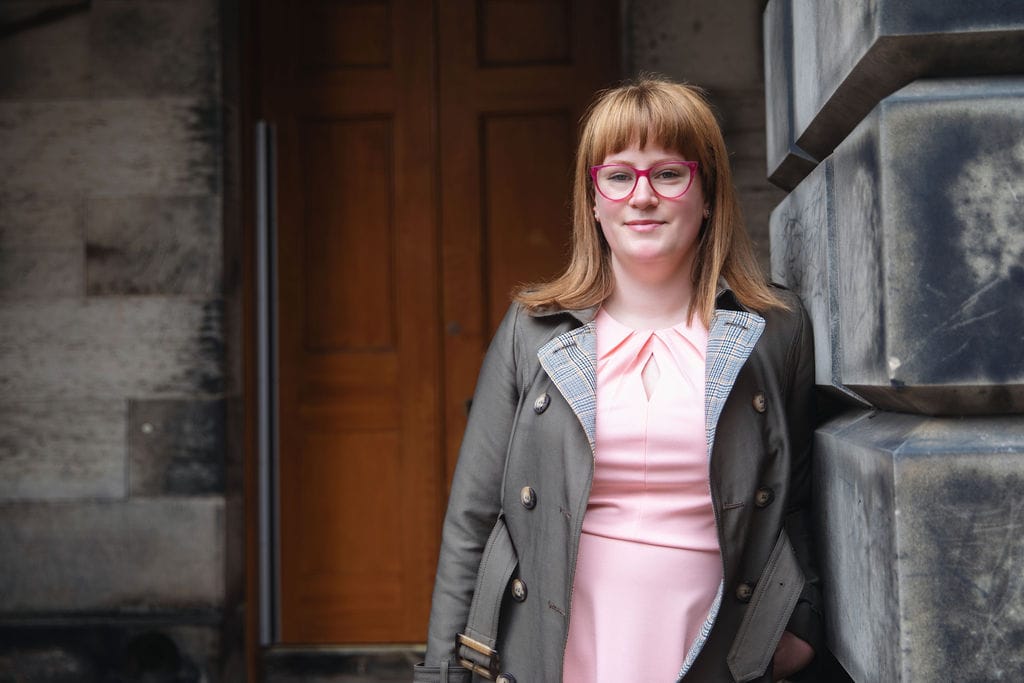
Laura Brown
This healthcare gap causes issues for many adult adoptees. Susan Stewart, a former director of Open University Scotland, was adopted as a baby in 1965 without any birth family contact and had no access to her own health history as a result. She has called for free genetic testing for adoptees to close that gap between adoptees and the general population. In an essay for the 2022 book, Imagine A Country, Susan said this approach could be “transformed” not only for adopted adults, but also their adult children and grandchildren. “Everyone should have the same access to the benefits of advances in genetic science,” she wrote.
Susan told The Ferret: “Genetic screening for adoptees with no medical history is not only a matter of equity and fairness, but an important part of preventative healthcare, potentially saving future NHS resources." She is urging MSPs to consider bringing forward legislation as soon as possible to improve NHS care for adoptees in Scotland.
A survey of adult adoptees I conducted as part of my Tenacious Journalism award in April this year to explore experiences of healthcare, suggests her view is common.
It found that adoptees were experiencing significant barriers, with 90 per cent of the 206 people surveyed saying clinicians either assumed “no relevant family history” or recorded “unknown” without adjusting the risk assessment.
Some 22 per cent reported being denied further investigation because of their lack of health history. Just six per cent had a full family health history, even after many had reunited with their birth families. Respondents claimed it was difficult to ask health questions of birth family members or said information had been withheld or even falsified, causing additional distress.
“Genetic screening for adoptees with no medical history is not only a matter of equity and fairness, but an important part of preventative healthcare, potentially saving future NHS resources.” — Susan Stewart
One woman, who had been reunited with her birth father, explained: “It felt shocking that he was reluctant to disclose his health history.” Others uncovered genetic health conditions. One respondent discovered that their birth mother had developed cancer, then found out that “granny and all my aunts had breast cancer young too.” She subsequently discovered that all four sisters on their birth father’s side had also had breast cancer. In one case, an adoptee discovered that several birth family members had Huntington’s Disease, a fatal genetic condition, including her birth mother.
Of adoptees with children or grandchildren who responded, nearly two-thirds worried about the risk they were passing on. One adoptee is registered blind, a condition she only discovered is heritable after having children. “I may have remained childless, had I known this,” the adoptee said. A small number of respondents had decided not to have children because of their lack of knowledge.
The survey also highlights mental health consequences linked to these gaps. Seventy‑two per cent reported anxiety about an unknown hereditary risk. Many adoptees said that they resorted to buying the death certificates of birth family members aiming to uncover genetic health risks.
One said: “The only information I have is from death certificates…Three months ago I found that ovarian cancer runs on both sides of my blood family.” Nearly two-thirds of respondents had either bought or were considering buying DNA or health tests, but had concerns about the cost and privacy.
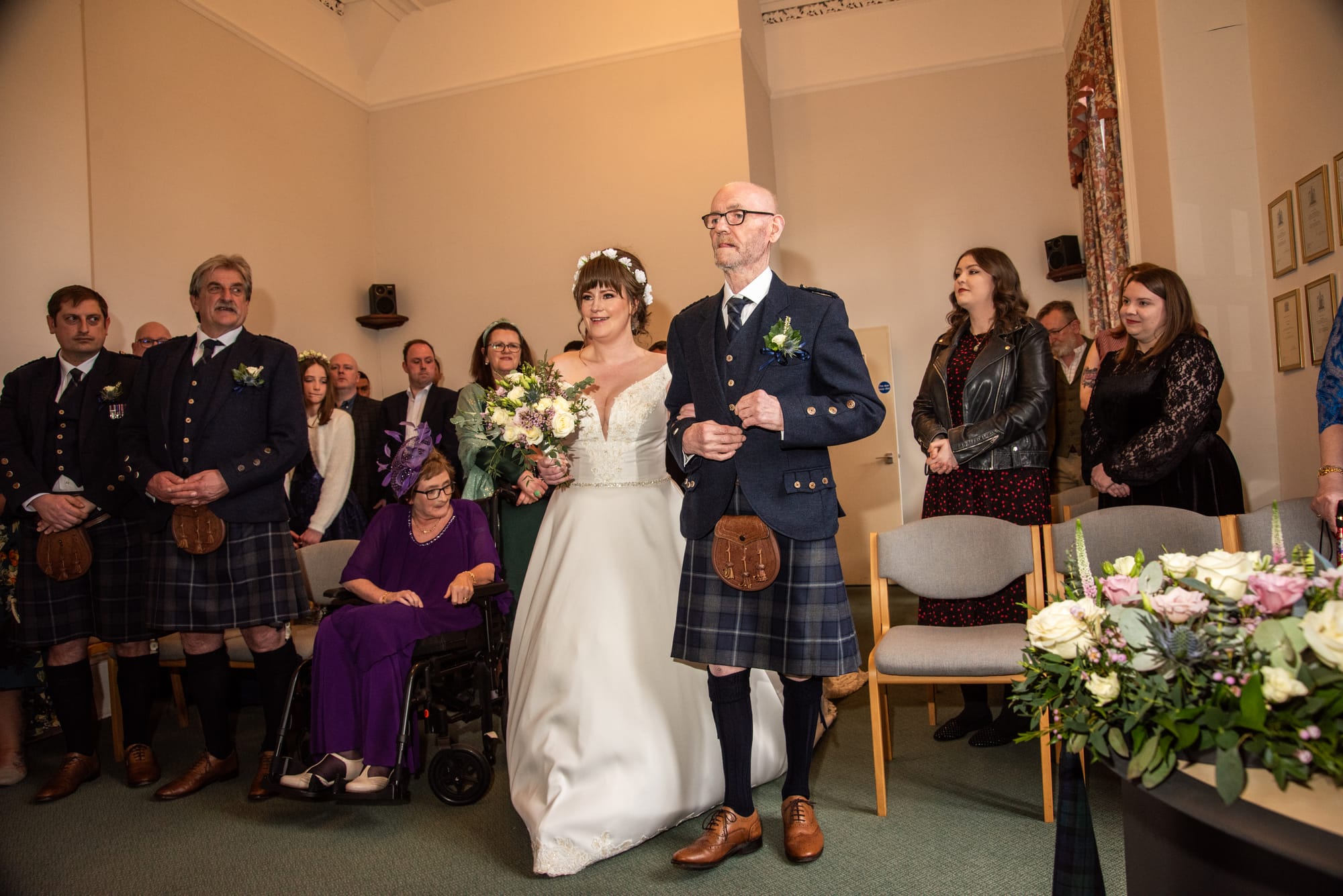
Laura Brown with her birth uncle David
Laura Brown has purchased a DNA test and a number of death certificates. She discovered that her birth father and another family member had experienced eating disorders, as she had at one point. But there is no mechanism for adding biological health history risks to NHS records.
Respondents like Laura have called for routine screening pathways, and visible “adoptee/family history unknown” flags in electronic medical records.
The survey findings chime with findings from Adoption UK, a national charity, which has done its own research on healthcare for adoptees as part of its Adoption Barometer 2025. Of the 380 adult adoptees who responded, 97 per cent were asked questions about family history in healthcare settings, but only 12 per cent were either somewhat or very confident about knowing enough to answer. Just eight per cent had been offered interventions like genetic tests or screening procedures to gain a fuller picture of health risks.
Emily Frith, Adoption UK’s chief executive, said: “Not knowing your family medical history can have a serious impact on your health. This not only affects adoptees themselves but their children and grandchildren and beyond. Yet health services frequently fail to recognise this.” She called for the NHS to “ensure adoptees get access to routine screening, genetic testing and other essential healthcare interventions.”
The Scottish Adult Adoptee Movement, said the survey findings “demonstrate the continuing impact that adoption can have throughout life, particularly where individuals lack access to complete family medical history or where adoption is not consistently recognised within healthcare”.
The UK Adult Adoptee Movement agreed, saying the findings “expose a systemic inequality that leaves adoptees at a disadvantage throughout the NHS”. They want adoptees from all four UK health systems to be granted a trauma-informed approach to health assessment, and for health records to include an ‘adoptee’ marker, allowing doctors to assess risks properly, and for further research on adoptees' physical and mental health outcomes.
“We're adults asking why we're still bound by decisions made for us as children.” — Laura Brown
Despite Scotland’s drive to improve the care experience, with initiatives such as The Promise – the outcome of a five-year review published in 2020 that aims to put in place radical reform by 2030 – adoptees report that their access to healthcare has remained fragmented and inconsistent.Scotland also led the way in offering an apology for forced adoption in 2023, yet campaigners for adoption reform say no action has yet been taken to improve healthcare for adoptees.
The survey also found that of all health professionals, GPs were the most trusted, but adoptees still experienced barriers in accessing the healthcare they felt they needed. Nearly half of those surveyed felt comfortable to discuss adoption with GPs, but found that few knew how to respond.
Dr Chris Williams, vice chair of the Royal College of GPs Scotland, said: "Family medical history plays an important role in assessing a person's risk of developing a wide range of conditions. The absence of family medical history should not be interpreted as an absence of risk.”
He added: “As screening programmes and advances in genomic medicine increasingly rely on family history information, it is important that the whole healthcare system considers how to ensure adoptees are not unintentionally disadvantaged and excluded because this information is missing from their medical records.”
He agreed there was a strong case for ensuring that healthcare records better identify, record and code information about adoptees without access to their biological health history.
Siobhian Brown, minister for children and young people, told The Ferret she recognised that “some adopted people may have limited or unavailable information about their biological family medical history, which can present challenges when discussing family history with healthcare professionals.”
Brown claimed she was committed to improving “lifelong support for adopted people” and said she would work with adoptees and practitioners “to develop new adoption support guidance during this parliament.”
As for Laura Brown, she believes we first need the law to recognise that biological families exist at all. “We're not the grateful children the system imagined anymore,” she says. “We're adults asking why we're still bound by decisions made for us as children”. It’s time, she argues, to recognise adoptees’ right to know the genetic hand they’ve been dealt.
Our reporting makes a difference
Good journalism should reveal something new, stand up to scrutiny, and leave the public better informed. That takes time – and your support.
The Scottish Government is selling surveillance planes to save money and says drones are used to prevent illegal fishing. But critics argue that losing experienced pilots could mean criminality goes unchecked.
Ithaca Energy announced a major dividend on the eve of UK sanctions against companies operating in illegal Israeli settlements. A few weeks later it paid out £100m to a shareholder the UN says has ‘direct links’ to the occupied territories.