

Claim 'abortion to birth' is now legal in the UK is Mostly False
Changes to abortion law in England and Wales have been misrepresented on social media.
Changes to abortion law in England and Wales have been misrepresented on social media.
Climate change is causing rising sea levels and coastal erosion and 109 Scottish golf courses are at risk. We examined the issue as part of Green drive: Golf and the environmental crisis – a special Ferret series on golf and the environment.
The Ferret exposed the extreme views of Reform UK’s Scotland’s candidates before Nigel Farage promised to improve his party’s “poor” vetting processes, but many of them have been re-selected to fight the Holyrood election.

A Scottish Government-commissioned report has found the demand to buy rural land for green investments could deepen divides between landowners and communities, just days after it delayed a new land reform bill.
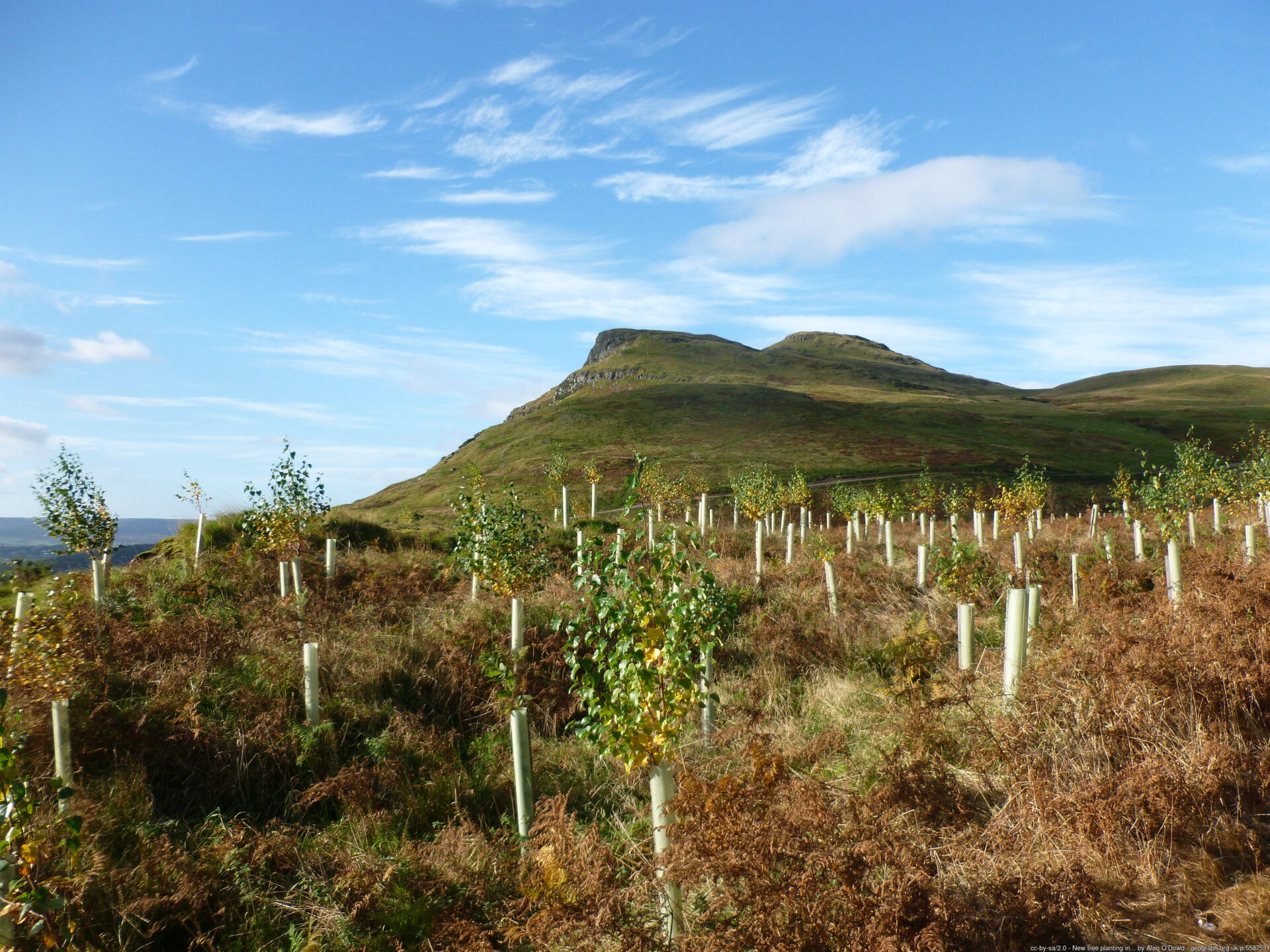
A new James Hutton Institute paper, published today, studied rural communities where there had been major investment in changing land use for green projects such as rewilding, forestry and carbon credit projects.
Lead author Dr Annie McKee said landowners hold “significant economic power” and the rush to buy land for environmental projects could impact rural communities faster than the government’s new green and land reform policies can be put in place.
Shifting patterns of land use and ownership driven by new financial incentives could impact the government’s planned “just transition” to a greener economy, and diversifying land ownership, she warned.
The study comes days after the government admitted on 12 December that it would not meet its commitment to introduce its new land reform bill before the end of 2023. This prompted one MSP to urge the government to use its time “wisely” to end Scotland’s “archaic landownership arrangements”.
The Hutton report found the demand for rural land to run green projects could lead to job losses and changes in tenancies for farmers and keepers, impact local services, reduce housing availability and increase wildfire risks.
Some 150 land owners, investors and managers, and community representatives were interviewed or took part in local workshops for the study to share their views.
While landowners or investors were motivated by environmental, financial, social, reputational, and other factors, communities often felt projects were financially driven and led to power imbalances where they have no say how land is used, the report said.
However, there were also signs of good community engagement, where landowners organised and attended community open days and supported training and education. Positive factors such as new green jobs, training, education, housing, and tourism were also highlighted.
The institute said its findings underline recent Scottish Land Commission guidance, which advises how landowners can better include communities in decisions about land use.
“These changing patterns of landownership and management, often driven by interest in new financial markets, like carbon and biodiversity credits, have implications for goals around net zero, just transition, landownership diversification and community wealth building,” said lead author McKee, a senior social scientist at the institute.
“One standout feature we saw was the significant economic power held by new players engaging in Scotland’s land market. This could increase issues relating to landownership scale and concentration while market forces may drive land use and land management change faster than policies looking to achieve a ‘just transition’ can be put in place.”
Landowners should involve communities, be transparent and accountable in their decisions, McKee advised, adding that more research was needed to track longer-term impacts.
On 12 December, land reform secretary Mairi Gougeon admitted the government would miss its aim to bring forward its new land reform bill before the end of the year. Answering a request for an update from a backbench MSP, she said ministers were still committed to new land reform measures in 2024, but needed more time to work on them.
Labour MSP Mercedes Villalba urged ministers to use the extra time “wisely” She launched a bill in June which proposes a ‘public interest test’ be introduced for landholdings above 500 hectares. The government wants to apply the rule to landholdings above 3,000 hectares, which Villalba branded as “timid”.
“That threshold is so vast that the majority of large landholdings would be unaffected, and we would barely see any change at all,” she argued. “This land justice bill is an opportunity for Scotland to end the hugely iniquitous and archaic landownership arrangements that date back to mediaeval times.”
Gougeon said she welcomed the new Hutton research: “It is important that we find a balanced approach to investment that supports resilient and thriving rural communities, our vital agriculture industry and people who work in it, natural capital and land use transformation sectors,” she stressed.
The current programme for government presented a “distinctive market vision in Scotland to support and promote responsible investment that contributes to a just transition, community benefits and robust environmental outcomes,” she claimed.
Header image © Walter Baxter (cc-by-sa/2.0)


Climate change is causing rising sea levels and coastal erosion and 109 Scottish golf courses are at risk. We examined the issue as part of Green drive: Golf and the environmental crisis – a special Ferret series on golf and the environment.

The Ferret exposed the extreme views of Reform UK’s Scotland’s candidates before Nigel Farage promised to improve his party’s “poor” vetting processes, but many of them have been re-selected to fight the Holyrood election.

Britain Remade has appointed two directors from a lobbying firm which represents EDF, the owner of Scotland’s last nuclear power station.

Online claims questioned Scottish Labour's house building in government between 1999 and 2007.


