The Scottish Government is selling surveillance planes to save money and says drones are used to prevent illegal fishing. But critics argue that losing experienced pilots could mean criminality goes unchecked.
Ithaca Energy announced a major dividend on the eve of UK sanctions against companies operating in illegal Israeli settlements. A few weeks later it paid out £100m to a shareholder the UN says has ‘direct links’ to the occupied territories.
Prospective MSPs are legally required to evidence their election spending and confirm the records are correct. Following an investigation by The Ferret, Police Scotland is examining whether nine Reform UK candidates failed to do so.
The UK Information Commissioner is facing criticism for endorsing the Ministry of Defence’s insistence on concealing issues with nuclear weapons because of growing threats from other countries. Secrecy allows “fake news” to fester, say campaigners.
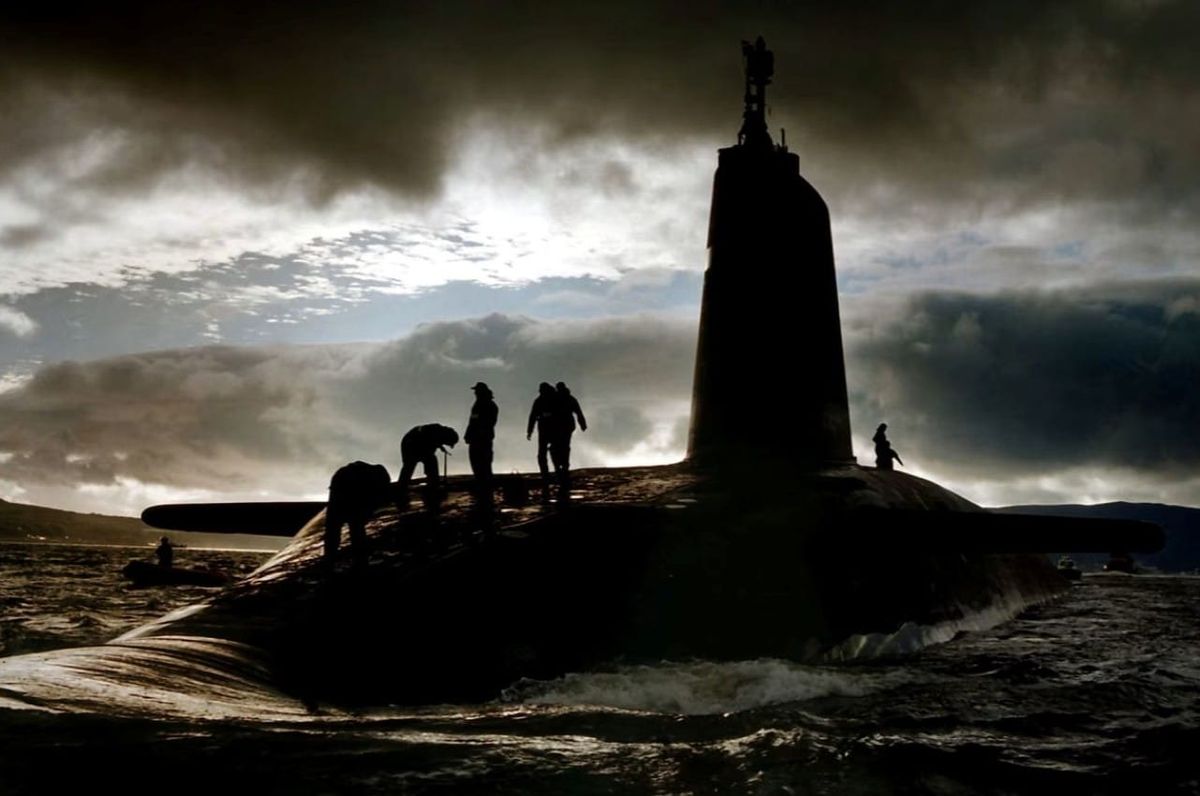
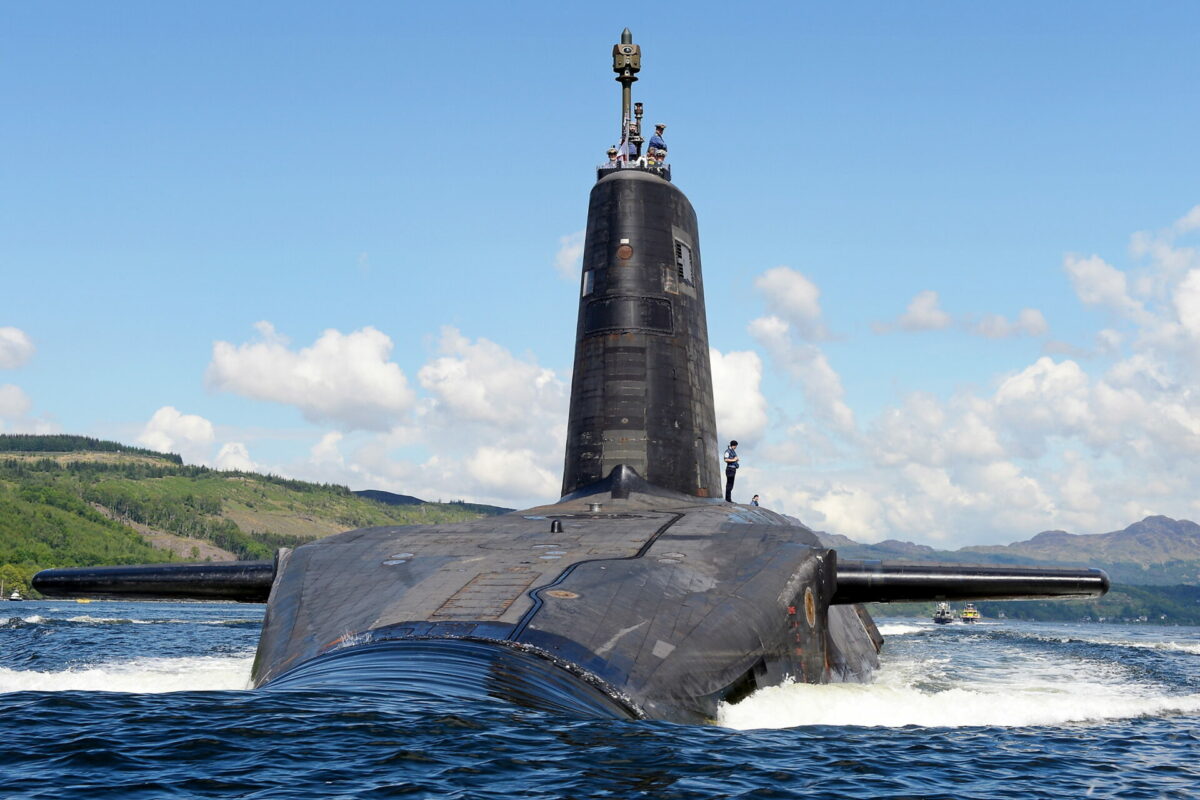
Potential problems with the Trident nuclear submarine fleet based on the Clyde must be kept secret because of the “deterioration” of international security, according to the UK Information Commissioner.
John Edwards, who oversees freedom of information law across the UK, has backed the Ministry of Defence (MoD) in hiding details of serious radiation incidents at the Faslane naval base near Helensburgh, the growing length of Trident submarine patrols and the number of submariners leaving the Royal Navy.
He rejected three appeals from The Ferret, after receiving “confidential submissions” from the MoD. There were now “greater potential threats from adversaries”, he said, accepting the MoD’s argument that there was “a far greater requirement to withhold information” in a “more contested and volatile world”.
Campaigners have criticised Edwards’s decisions, warning that secrecy “breeds fear and allows fake news to fester”. Truth should not be a “casualty of increased international tensions”, they said, arguing that disclosing information builds trust “at a time of uncertainty”.
In 2025 the Scottish Information Commissioner, David Hamilton, resisted high-level pressure from the MoD to keep nuclear problems secret. He ordered the release of files to The Ferret revealing that Loch Long had been polluted by radioactive waste from the Coulport nuclear bomb store near Faslane in 2019.
In April 2024 we filed the first of three freedom of information (FoI) requests to the MoD, asking for descriptions of six “nuclear site events” reported to have happened at Faslane in 2023 and early 2024. According to the MoD’s definitions, the incidents all had “actual or potential for radioactive release to the environment”.
But the MoD repeatedly refused to say what had actually happened in any of the incidents, arguing that to do so would endanger national security. We appealed to the UK information commissioner in October 2025.
Journalism that follows the money – and demands answers.
This story took time, digging, and persistence. The Ferret is reader-funded investigative journalism, so we can report in the public interest, not for clicks or advertisers.
Edwards issued his decision in February 2026, backing the MoD. He accepted the MoD’s argument that releasing information about the incidents “could be used by potential aggressors to target, disrupt and degrade a crucial element of the armed forces capability which would adversely affect the UK’s national security.”
It was important to recognise “the deterioration to the international security situation and the greater threat to the UK’s resilience from hostile actors,” he said.
In 2018 the MoD did provide outline accounts of some of the more serious radiation incidents at Faslane. But in the last few years it has refused to give any details – though it has reported six further incidents in 2024 and early 2025.
The Ferret also asked the MoD for the number of days Trident-armed Vanguard submarines have been on patrol at sea in the past ten years. It has been widely reported that patrols are now lasting six months, compared to two or three months in the past. Longer patrols can cause submariners stress and threaten safety.
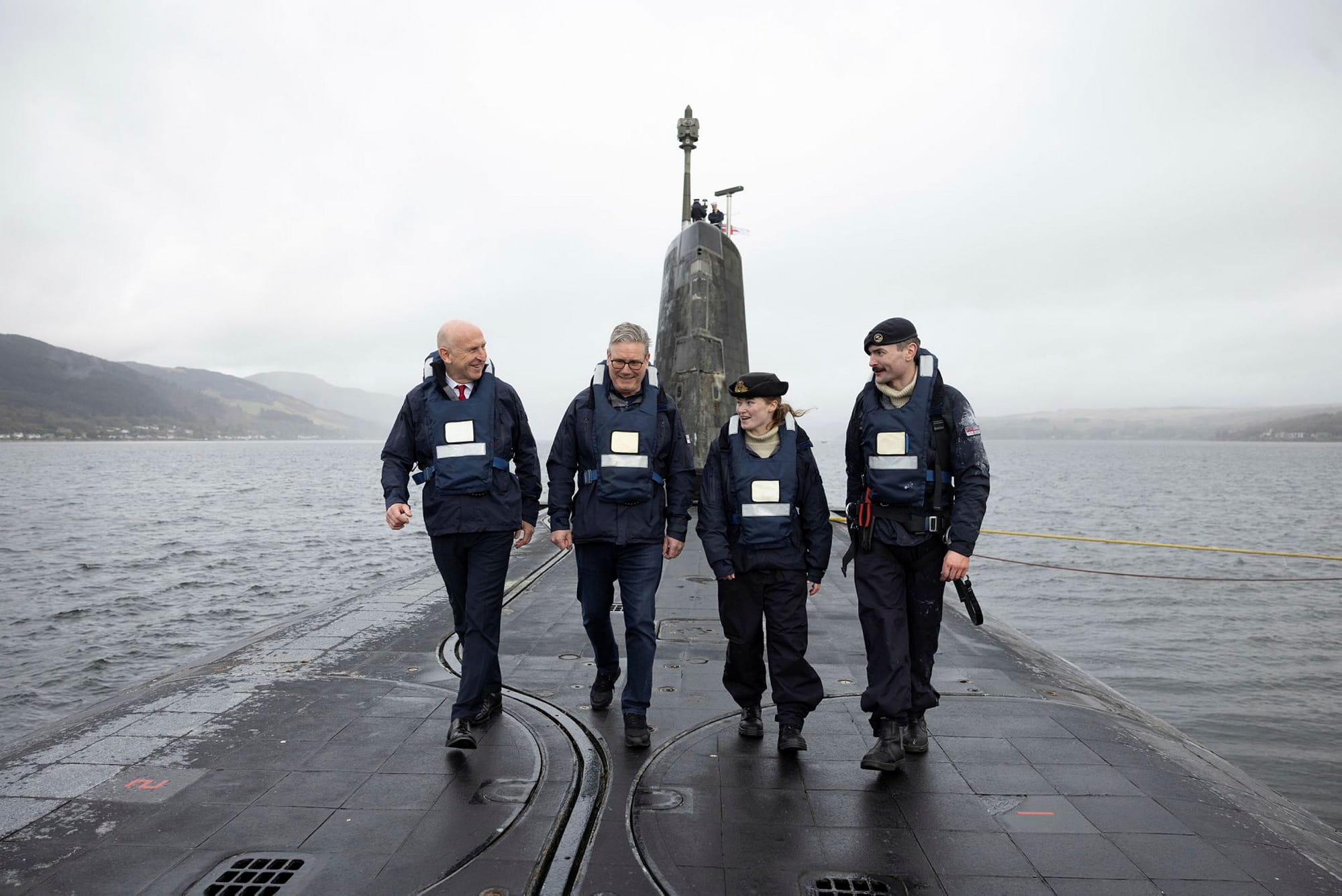
The lead submarine, HMS Vanguard, returned to Faslane on 18 April, having been at sea for 205 days – more than six and a half months. This was reported by Navy Lookout as the “longest unbroken patrol by a Royal Navy submarine”, and the prime minister, Sir Keir Starmer, paid a surprise visit to welcome the crew home.
The prime minister, Keir Starmer, and defence secretary, John Healey, welcome home a Trident submarine after six and a half months at sea. Image: Ministry of Defence
The UK Government is committed to what it calls the “continuous at sea deterrent”, which means having at least one of the four Vanguard submarines on patrol under water every hour of every day. But as they age and require more on-shore maintenance, this is becoming increasingly difficult.
Our request for figures on the average length of patrols over the years was rejected by the MoD on national security grounds. Again, Edwards found in favour of the MoD in March 2026.
He accepted the MoD’s argument that the Royal Navy was operating “within a more contested and volatile world” and that there was “a far greater requirement to withhold information” that could be used by enemies to determine “vulnerabilities”.
According to Edwards: “The MoD elaborated on this position in confidential submissions provided directly to the commissioner.”
He concluded that “the risks of disclosure have to be seen in the context of the international security situation and the greater potential threats from adversaries to the UK’s defence infrastructure.”
We filed a third FoI request for summary statistics on the number of Vanguard submariners who have left the Royal Navy for personal reasons over the last ten years. Again the MoD refused, and were backed by Edwards.
The MoD argued that the statistics could be analysed to give a “tactical advantage to hostile forces”. They could provide “an indication of operational vulnerabilities with the potential to disrupt operational capabilities” .
After more “confidential submissions” from the MoD, Edwards agreed that statistics on submariners leaving the navy could be used to “infer intelligence” on Trident. There was “a real and significant risk” of prejudicing national security “given the international security situation”, he said.
The Scottish Campaign for Nuclear Disarmament described the secrecy on Trident as “disappointing and concerning”. There had been a “clear trend” of increasing incidents at Faslane which could endanger the safety of surrounding communities, said the campaign’s Samuel Rafanell-Williams.
“Transparency is essential for national security to ensure any mistakes or negligence causing incidents are urgently addressed and do not escalate to more serious problems,” he argued.
“We should not accept truth being the first casualty of increased international tensions. This does not serve the Scottish or British public well.”
"Disclosing information to the public builds trust and credibility at a time of uncertainty." — Carole Ewart, Campaign for Freedom of Information in Scotland
Dave Cullen, a UK nuclear weapons expert from the BASIC nuclear think tank in London, accused the UK information commissioner of "failing to discharge their responsibilities to the public.”
He said: “It is unsustainable in a democracy that the organisation that is charged with protecting our right to know what our government is doing continually defers to the MoD on cases such as these.”
The Campaign for Freedom of Information in Scotland argued that the consequence of increasing threats should not be greater secrecy. “In fact quite the opposite is true because disclosing information to the public builds trust and credibility at a time of uncertainty,” said the campaign’s director, Carole Ewart.
“That was a key learning point from the Covid pandemic too, as depriving people of information breeds fear and allows fake news to fester.”
Ewart pointed out that freedom of information law in Scotland was “more robust” than in the UK. According to the Scottish Information Commissioner, David Hamilton, Scottish laws “require exemptions to the disclosure of information to demonstrate a higher level of harm than their UK equivalents”.
If this reporting mattered to you, you can help fund the next one. The Ferret is independent, member-owned investigative journalism, backed by readers who want accountability in Scotland.
Rob has more than 40 years’ experience specialising in reporting on environmental issues. He has co-authored three books about nuclear power, produced radio and television programmes. He likes muckraking.
The Scottish Government is selling surveillance planes to save money and says drones are used to prevent illegal fishing. But critics argue that losing experienced pilots could mean criminality goes unchecked.
Ithaca Energy announced a major dividend on the eve of UK sanctions against companies operating in illegal Israeli settlements. A few weeks later it paid out £100m to a shareholder the UN says has ‘direct links’ to the occupied territories.