

Claim 'abortion to birth' is now legal in the UK is Mostly False
Changes to abortion law in England and Wales have been misrepresented on social media.
Changes to abortion law in England and Wales have been misrepresented on social media.
Climate change is causing rising sea levels and coastal erosion and 109 Scottish golf courses are at risk. We examined the issue as part of Green drive: Golf and the environmental crisis – a special Ferret series on golf and the environment.
The Ferret exposed the extreme views of Reform UK’s Scotland’s candidates before Nigel Farage promised to improve his party’s “poor” vetting processes, but many of them have been re-selected to fight the Holyrood election.

Scotland’s snow-covered peaks have formed an iconic part of our tourism industry, but are threatened by the impacts of the climate crisis.
As part of our fact-checking series, Scotland and the Climate Crisis, we have looked at how snow cover has changed over the past 50 years.
1971-1980 1981-1990 1991-2000 2001-2010 2011-2020
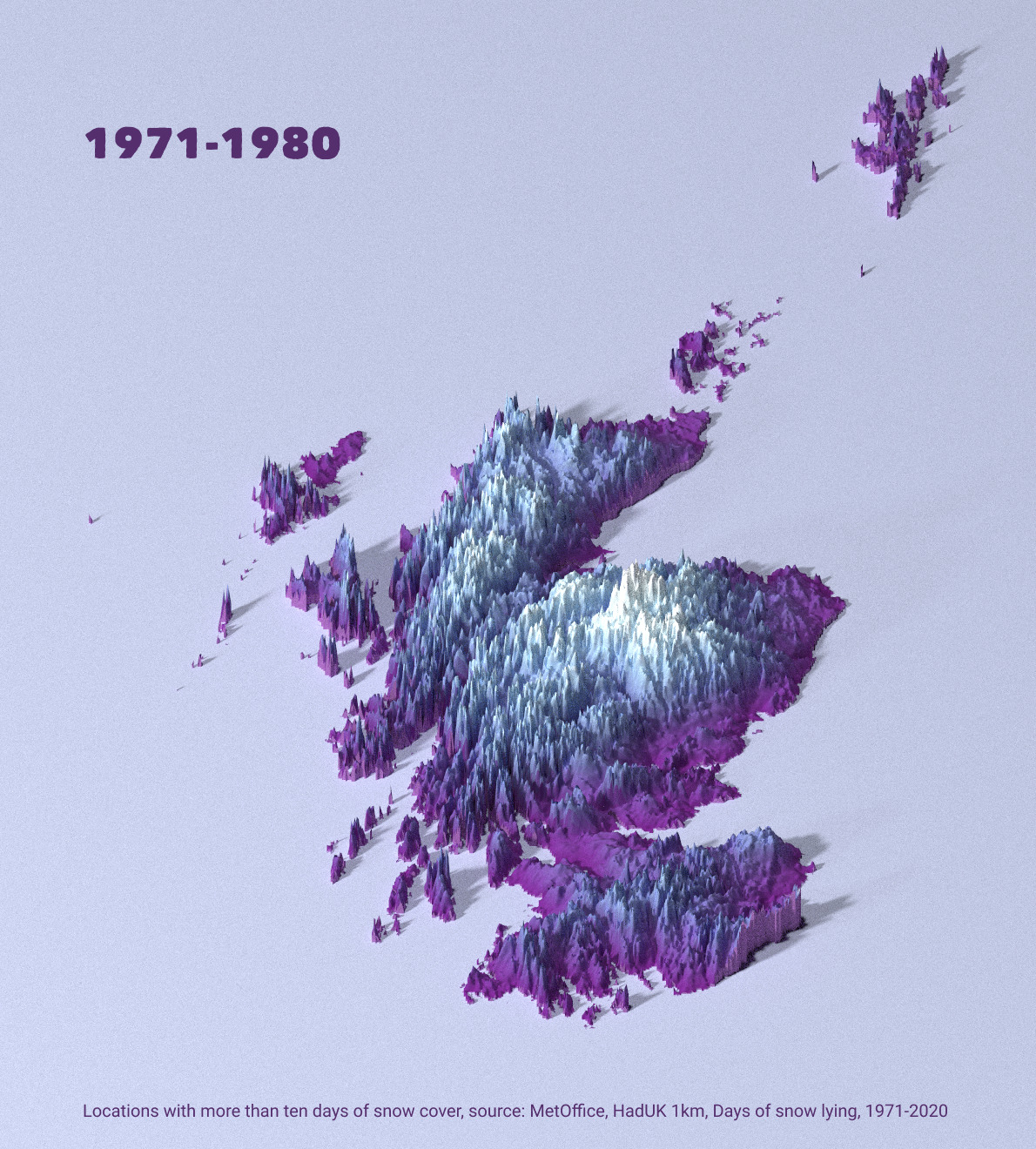
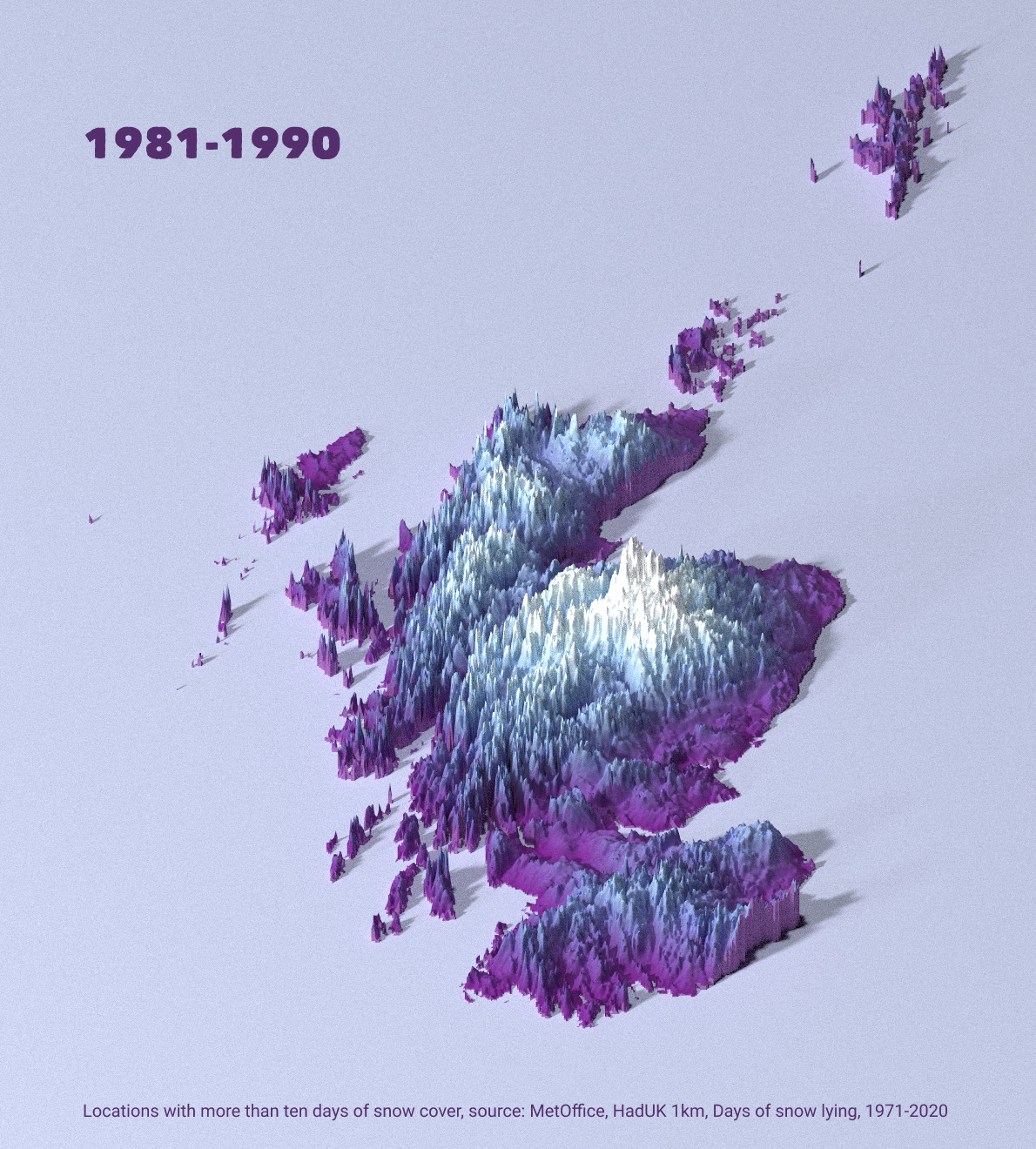
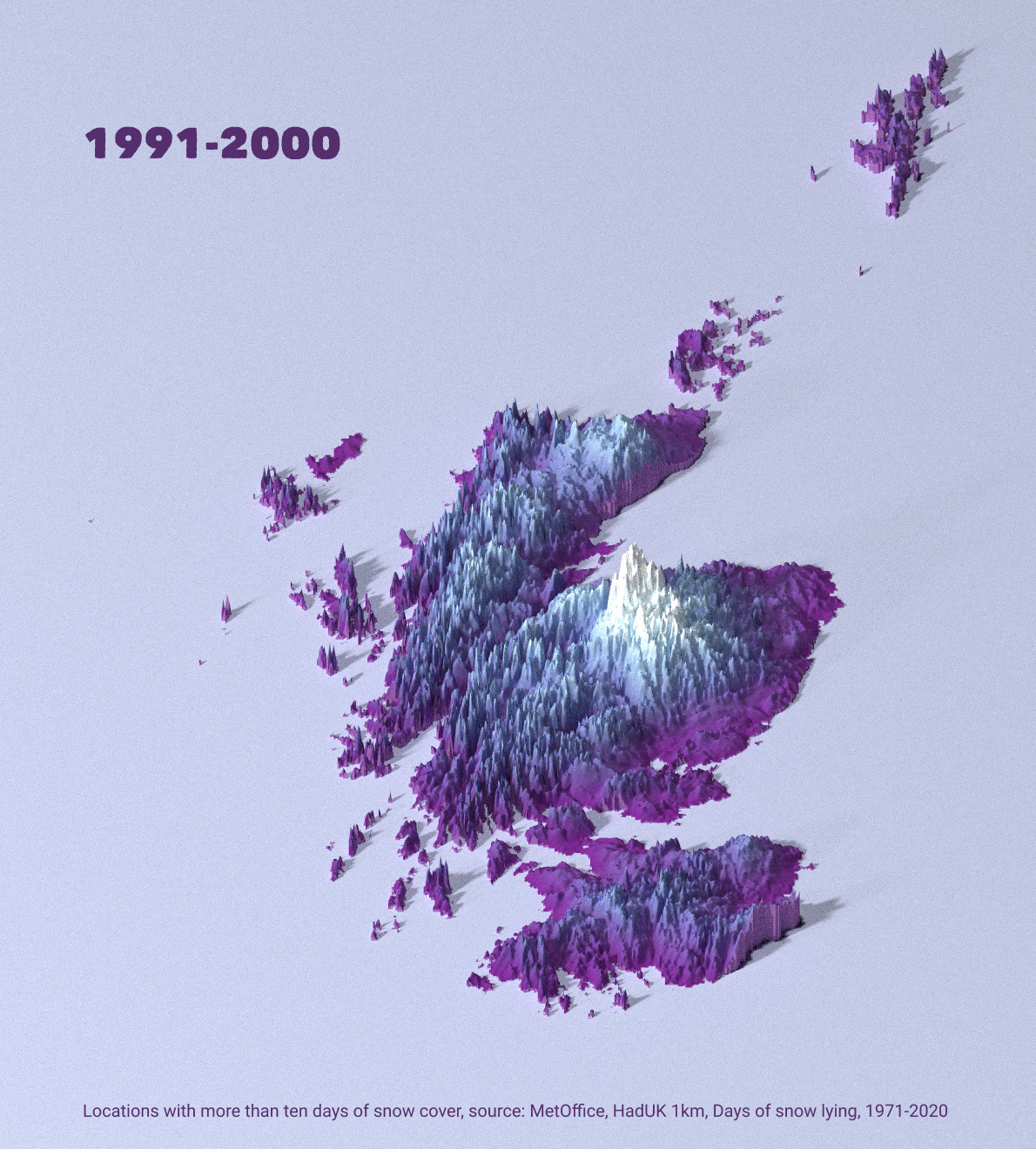
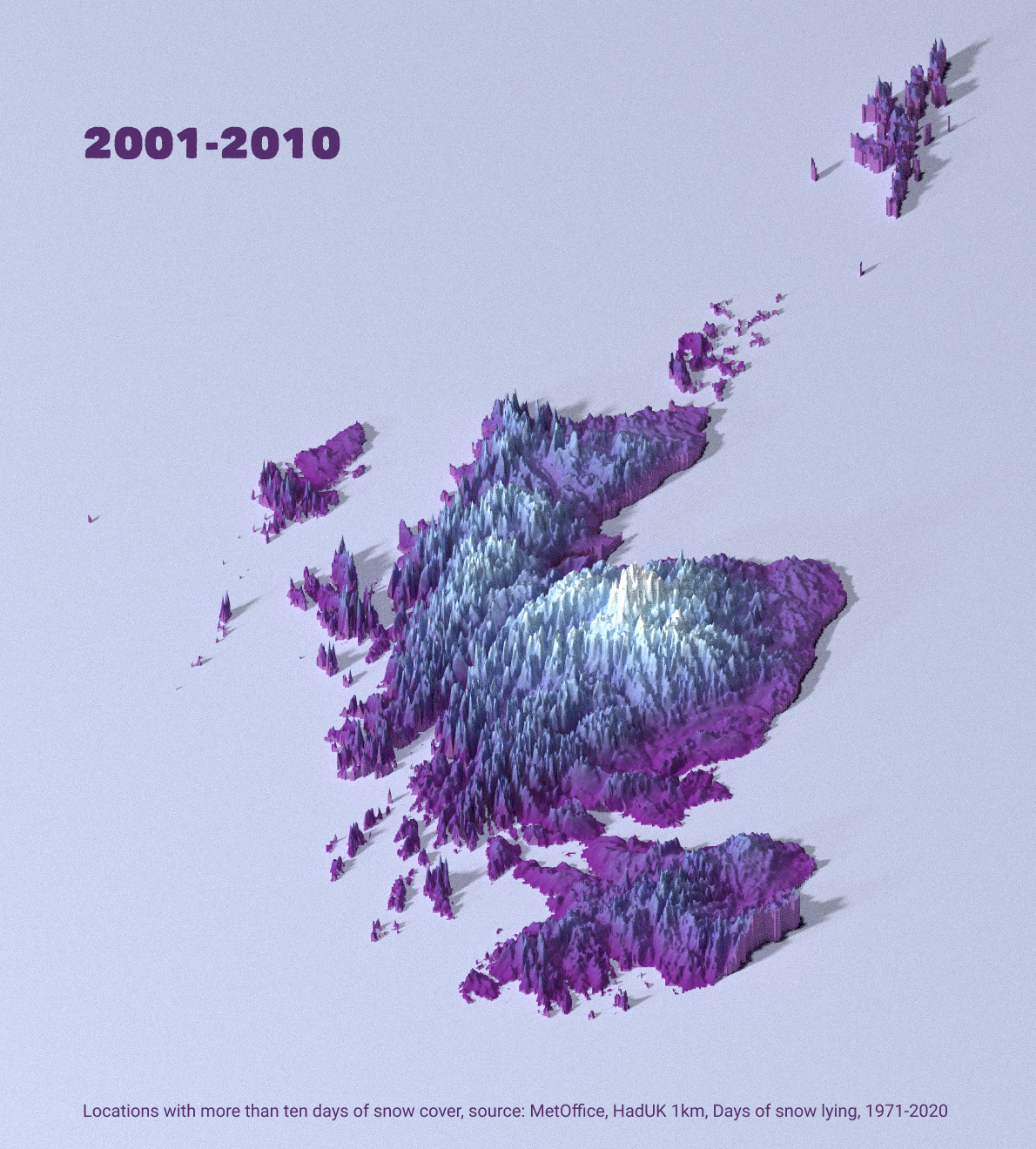
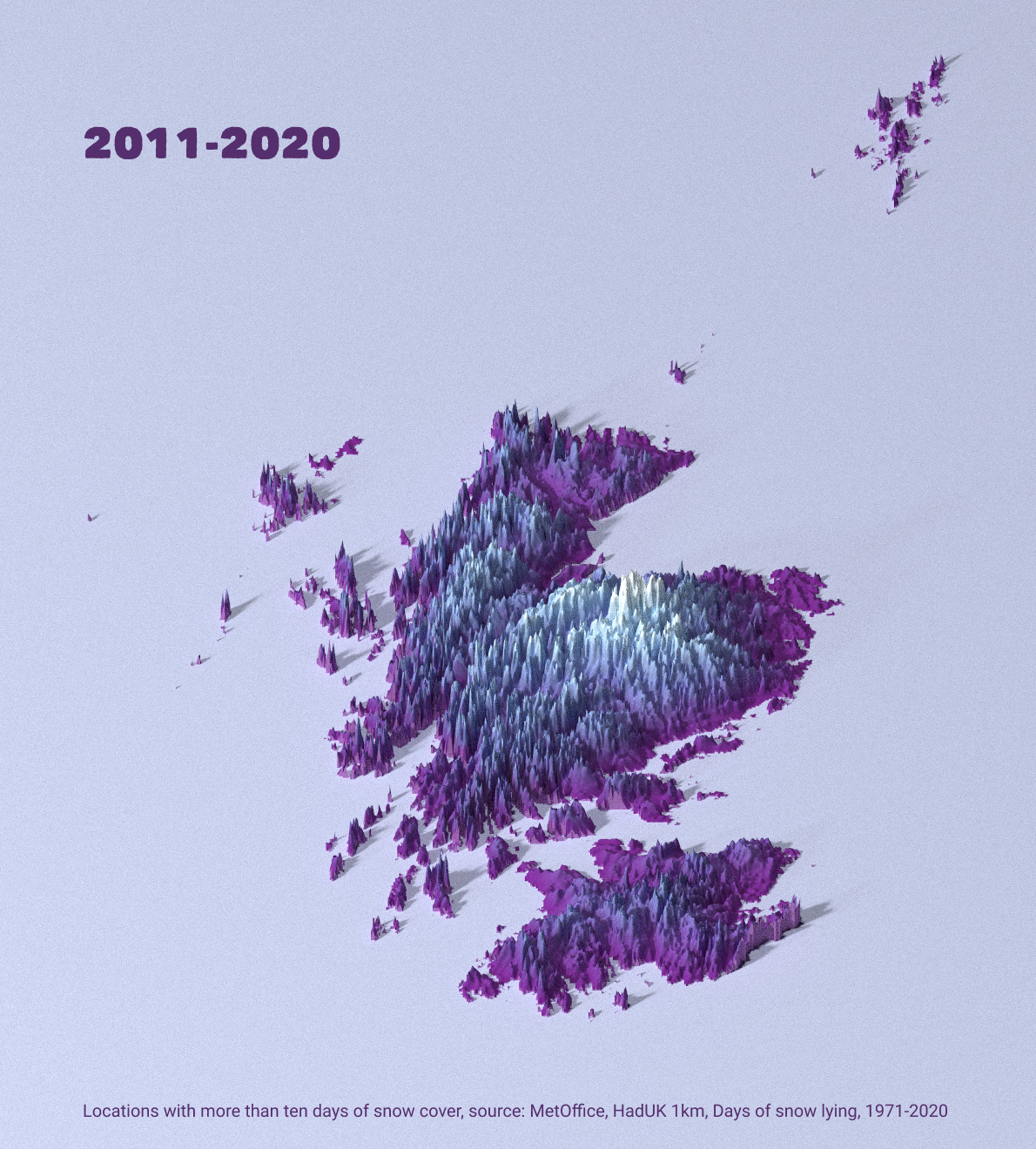
There has been a reduction in the number of snow days across the last five decades, although annual variability is still significant.
Our visualisation, using data from the Met Office shows that snow covers the ground for the longest at the summits of the Cairngorm mountains. In 2013, the mountain range had snow cover for 149 days, the highest value in the past 50 years. However since then, snow cover has been below average. In 2020, there were just 43 days of snow, the lowest level in half a century.
Looking at the whole of Scotland, the snowiest year in the past 50 years was 2010, with 65 days of snow cover on average. The least snowy was 2020, with just seven days of snow.
Since the beginning of the 20th century, the UK’s most severe spells of wintry weather occurred in January 1963 and February 1947.
Dr Mike Rivington, senior scientist at the James Hutton Institute who has studied snow cover in the Cairngorms National Park, told The Ferret that climate projections suggest that snow cover is likely to reduce in Scotland.
He said: “That is not to say that there will not be snow, sometimes even heavy snowfall events, in the future. What appears more likely is that there will be fewer days of snow, and when it does fall, it may not remain for as long as in the past.”
The impacts this will have on the country go beyond conditions for skiers and sledgers, he explained.
“Snow is an important factor influencing our upland ecology. Reduced snow exposes plants and soils to frosts and erosion by heavy rain.
“It changes the albedo effect [dark surfaces absorb more heat energy] which can result in increased stream temperature, impacting aquatic biodiversity. Snow also helps to regulate water flows, so can reduce flooding risk”.
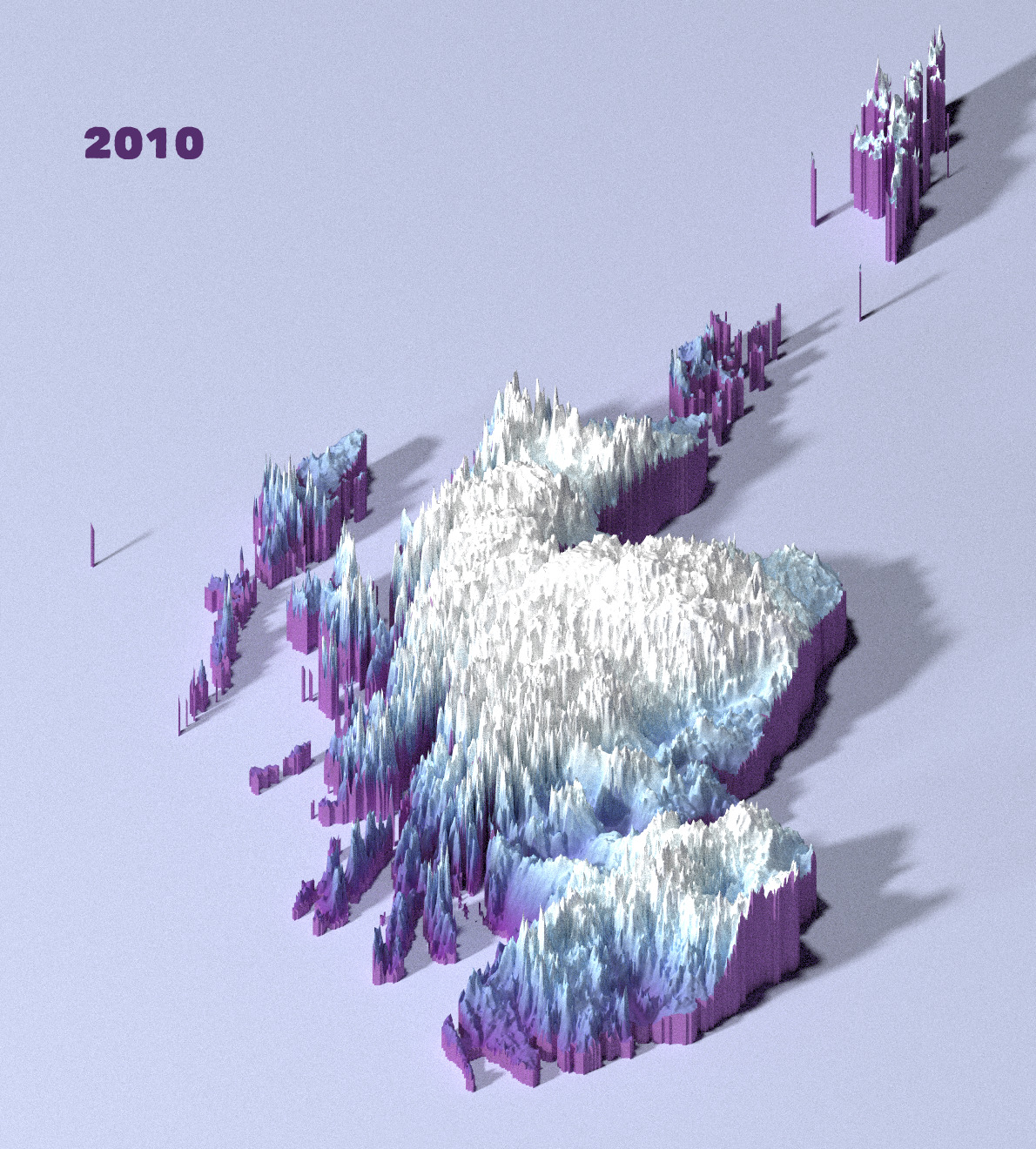
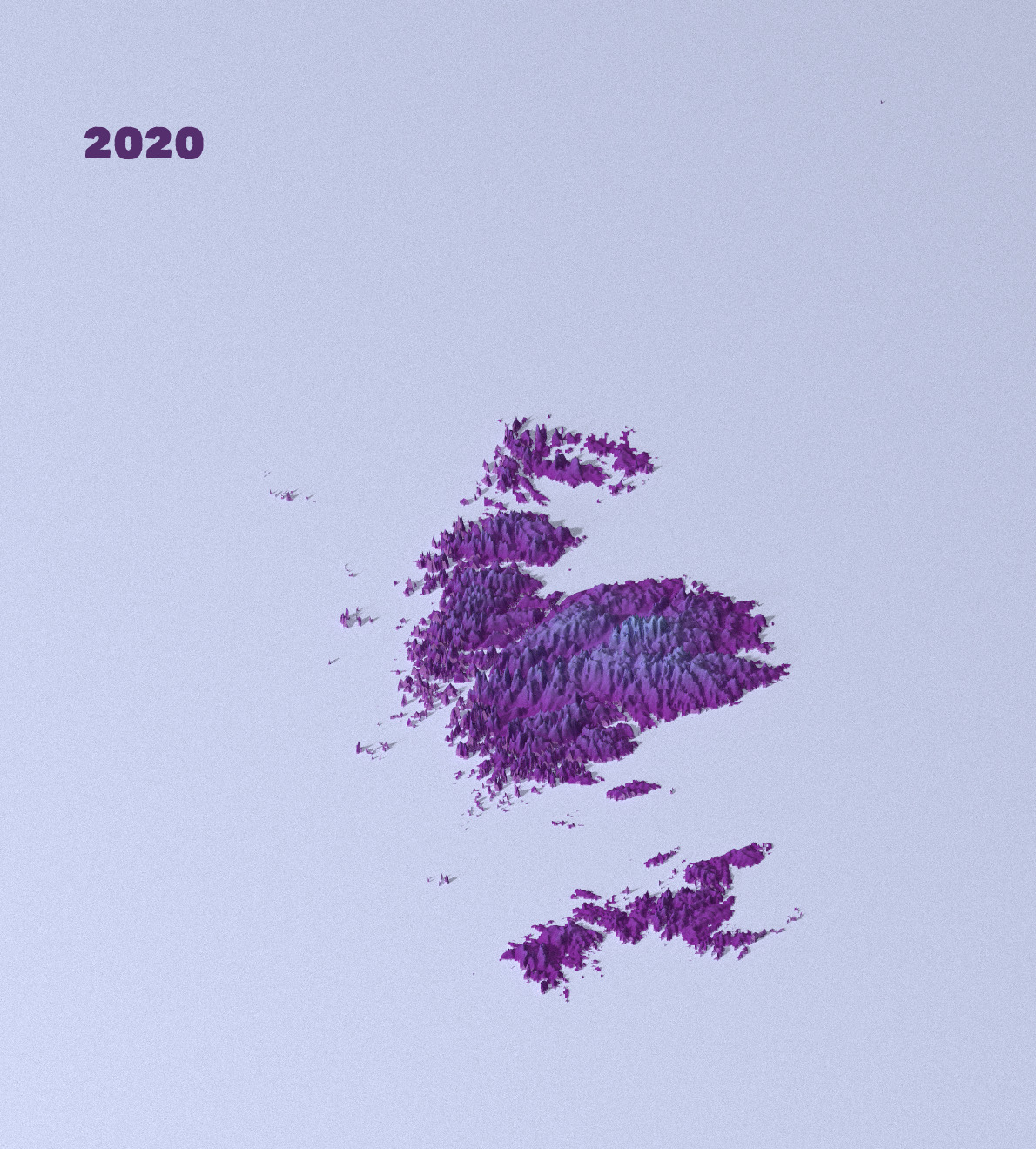
The data also shows that the downward trend in snow cover has not stopped significant variations year-on-year, as well as major snowfall and cold weather events, such as the Beast from the East, which brought much of Scotland to a standstill in 2018.
Dr Alan Kennedy-Asser, climate scientist at the University of Bristol, said: “Major disruptive snowfall events can and will still occur in the future when weather conditions are right, such as the famous Beast from the East in 2018, caused by sudden stratospheric warming events.
“It is currently unclear how climate change will affect sudden stratospheric warming events in terms of frequency or intensity. However, average cold winter days are on the decline across the British Isles.”
The Met Office concurred that the “number and severity” of major snow events has declined since the 1960s, but noted there were significant snowy periods in 2021, 2018, 2013, 2010 and 2009.
A spokesperson said: “As our climate warms (Scotland’s winters have warmed by 0.7 C comparing 1991-2020 to 1961-1990) – we will tend to see a decline in snow. But severe events are still possible, and also what happens in the mountainous regions is particularly complex.”
Photo credit: iStock/ellenamani

Changes to abortion law in England and Wales have been misrepresented on social media.

Britain Remade has appointed two directors from a lobbying firm which represents EDF, the owner of Scotland’s last nuclear power station.

Online claims questioned Scottish Labour's house building in government between 1999 and 2007.

A quote attributed to Reform UK's Richard Tice has gone viral in recent weeks.


