

Claim 'abortion to birth' is now legal in the UK is Mostly False
Changes to abortion law in England and Wales have been misrepresented on social media.
Changes to abortion law in England and Wales have been misrepresented on social media.
Climate change is causing rising sea levels and coastal erosion and 109 Scottish golf courses are at risk. We examined the issue as part of Green drive: Golf and the environmental crisis – a special Ferret series on golf and the environment.
The Ferret exposed the extreme views of Reform UK’s Scotland’s candidates before Nigel Farage promised to improve his party’s “poor” vetting processes, but many of them have been re-selected to fight the Holyrood election.
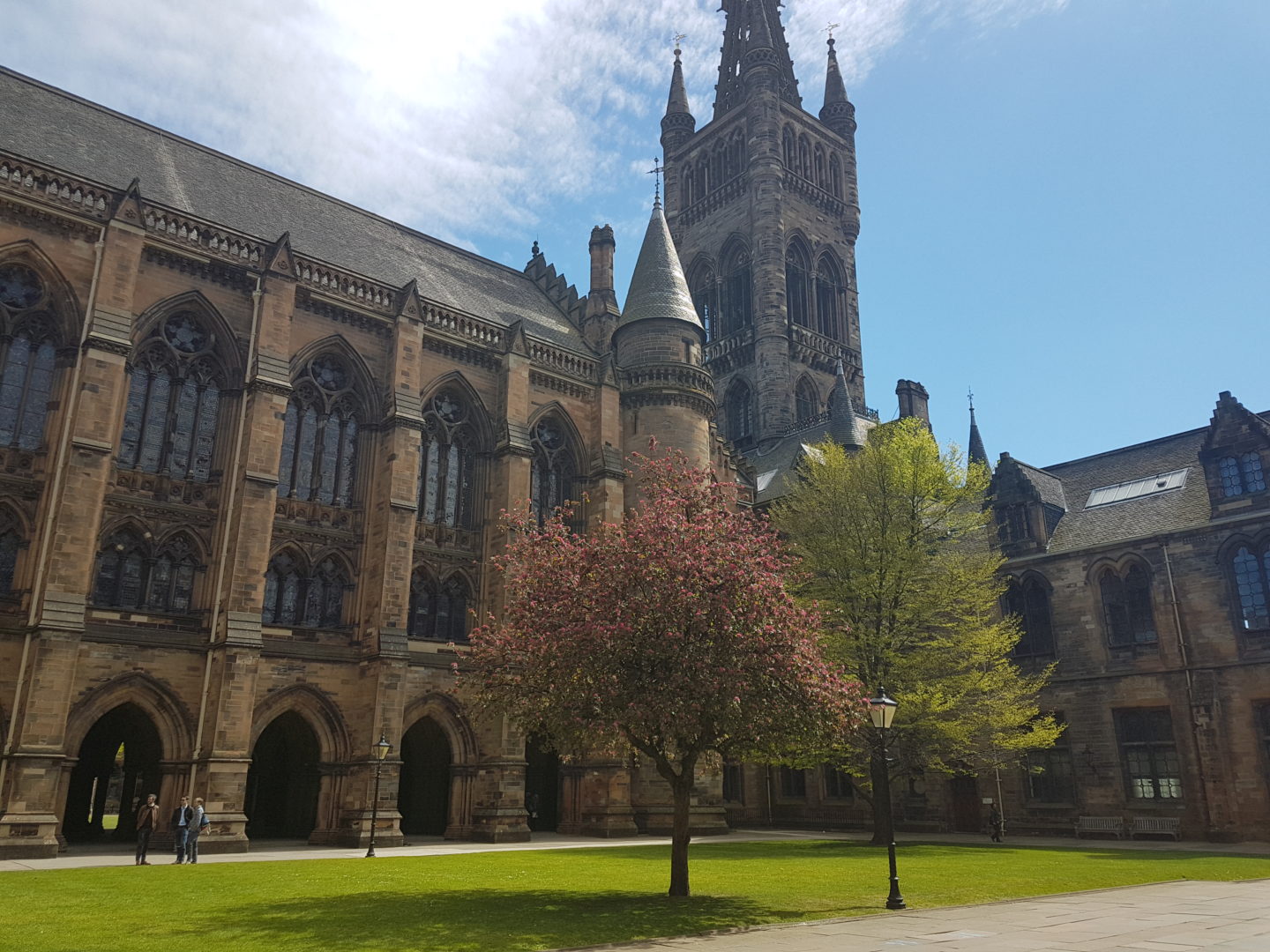
The University of Glasgow has been forced to withdraw an online ban imposed on an emeritus professor after he criticised the fracking industry.
David Smythe, a geophysicist and well-known fracking critic, took the university to court in 2017 after it cancelled his university email address and cut off his online access to scientific journals in the library. He accused the university of trying to silence him because of his views on fracking.
The university has now restored his access, and agreed to pay his legal and other costs amounting to over £12,000. It says it regrets the dispute and has no reason to doubt Smythe’s integrity.
The Ferret revealed in June 2016 that Glasgow University ended Smythe’s access a few days after he posted online a discussion paper critical of fracking safety and regulation in the UK. This followed a bitter public row with the university’s then energy engineering professor, Paul Younger, who had voiced support for fracking.
Glasgow University slated for ‘silencing’ fracking critic
Internal emails subsequently obtained by Smythe showed that Younger, along with others, had been instrumental in getting Smythe’s privileges withdrawn. Younger retired from the university because of ill health in March 2017 and died earlier this month.
Smythe has submitted a series of objections to fracking plans in England. He appeared as an expert witness for community groups opposing plans to exploit coalbed methane near Falkirk in 2014.
He used crowdfunding to raise £14,121 from 362 supporters to fund his legal action against the university. He is now planning to return donations of over £1000, and to reassign remaining funds to another good cause, yet to be decided.
Smythe held a chair of geophysics at the University of Glasgow’s geology department for ten years. He was made an emeritus professor and honorary senior research fellow when he retired in 1998.
Smythe’s online access was restored after a Glasgow Sheriff court hearing in June 2017. He then met with the university’s new secretary, Dr David Duncan, in October.
In January 2018 Duncan wrote to Smythe confirming that he was still entitled to use the title of emeritus professor, and that he could continue to use his university email address. “Your library access privileges will remain in place on a permanent basis,” Duncan said.
He added: “For my part, I regret the recent dispute between the university and yourself, which involved the termination of your library and email access between January 2016 and June 2017. I have no reason to doubt your integrity as a scientific researcher.”
Smythe reported his legal victory in a circular to his supporters earlier this week. “Sense has finally prevailed,” he said.
“Glasgow University restored my access to essential online academic sources, and agreed to pay all costs to date. My principal opponents at the university have either left or retired.”
Smythe expressed confidence that he could now carry on his research unhindered. “On the subject of fracking of shales for oil or gas, I think that my views – that it is a polluting industry and in any event uneconomic – are beginning to prevail,” he told The Ferret.
The university confirmed it had restored Smythe’s access and paid his costs. “We agreed to reinstate Professor’s Smythe’s university email address and library access some months ago,” a spokesperson said.
“We have stated that we have no difficulty with Professor Smythe continuing to indicate that he is an emeritus professor of this university. The university secretary has also agreed a settlement in order to resolve this dispute and avoid further cost to either party.”
Photo thanks to Stinglehammer, CC BY-SA 4.0 via Wikimedia Commons.


Climate change is causing rising sea levels and coastal erosion and 109 Scottish golf courses are at risk. We examined the issue as part of Green drive: Golf and the environmental crisis – a special Ferret series on golf and the environment.

Britain Remade has appointed two directors from a lobbying firm which represents EDF, the owner of Scotland’s last nuclear power station.

Huge volumes of sewage sludge have been used to fertilise Scottish farmland. Studies show it contains microplastics, forever chemicals and cancer-linked pollutants.

Scottish ministers have been privately urged to back plans for a golf course on a coastal wildlife site. This has been condemned as “backdoor lobbying that tries to bypass the rules”.


