

Sepa branded ‘toothless’ after salmon farm accused of 15 environmental breaches
The Scottish Government’s green watchdog sent seven letters over three years alleging multiple breaches at a fish farm – and then issued a final warning letter.
The Scottish Government’s green watchdog sent seven letters over three years alleging multiple breaches at a fish farm – and then issued a final warning letter.

This US-style right-wing political pressure group keeps its funders a secret. Its members have helped man Scotland’s anti-migrant and asylum demonstrations.

Adult adoptees are calling for access to genetic testing to address the ‘health gap’ caused by their lack of information about genetically inherited conditions.
Lives are being lost because people are failing to get mental health support when they most urgently need it, a Ferret investigation has found.


Two thirds of people attempting to access urgent mental health support are not admitted to hospital, and waiting times for support in half of Scottish health boards can be more than three years, an investigation by The Ferret has found. Campaigners claim lives are being lost as a result of the "broken" system.
The new figures backed testimony we have heard in recent months from seven families from across Scotland who said they were unable to get help for themselves or their loved ones, at either accident and emergency departments (A&E) or other out-of-hours NHS services, when dealing with life-threatening mental health symptoms. Some were on long waiting lists for psychological support.
Four said their family members had since completed suicide, and claimed with the right support tragedy might have been prevented. One other remains in a crisis situation and has made several more attempts on their life.
Scottish suicide rates have dropped by 11 per cent, according to the most recent figures, with 704 probable suicides recorded in 2024. NHS boards said they were working hard to address the growing need for mental health services and recording some success. While some acknowledged some waiting times were “unacceptable”, they stressed not all patients who arrived at A&E needed a bed and were offered support in the community.
But families said too many people were still being put at risk and left not knowing where to turn when they needed immediate help.
Fund journalism that serves the public.
The Ferret investigates what’s going on in Scotland, and who benefits. Reader support keeps our journalism independent.
The new 2025 figures – shared with The Ferret, and released under freedom of information (FoI) law – show 66 per cent of people seeking urgent mental health support from Scottish A&E are not admitted. In ten out of the 14 NHS boards, the majority of patients presenting to emergency departments in mental health crises were not offered either a mental health or general hospital bed.
In NHS Highland only three per cent of people arriving at A&E seeking immediate mental health care were given a bed. The health board said it had reduced reliance on A&E through its 24/7 Mental Health Assessment Unit.
In NHS Grampian the admission figure was 18 per cent. The health board said it had a protocol with the Scottish Ambulance Service and police which allowed them to take people in crisis to Cornhill mental health hospital for assessment. Exclusive NHS 24 figures detail the number of people who called requesting mental health support in 2025. Almost half (46 per cent) of more than 149,000 calls made were discontinued. But of those answered, 45 per cent were advised on “self care” rather than referred for treatment.
A further 25 per cent were given GP telephone advice. An ambulance was only called in five per cent of cases and less than one per cent of more than 80,000 calls were directed to A&E.
The figures also charted long waiting lists for community mental health services, recording maximum waiting times of almost eight years in one case. Seven Scottish health boards logged maximum waiting times of more than three years.
Earlier this month first, minister John Swinney pledged to expand mental health support ahead of a visit to the Nook, a new Scottish Action for Mental Health (SAMH) drop-in support service in Glasgow city centre available without a referral. But he did not say how much the government is willing to invest. The charity is fundraising to open another five drop-ins across the country by 2028.
The FoI requests were made by mental health campaigner Karen McKeown, who lost her partner, Luke Henderson, to suicide in late 2017. In the month leading to Luke's death on 29 December, she made repeated attempts to get help but says the couple were repeatedly turned away and “bounced” between mental health and addiction services. Luke took his own life about four weeks after she started trying to get support.
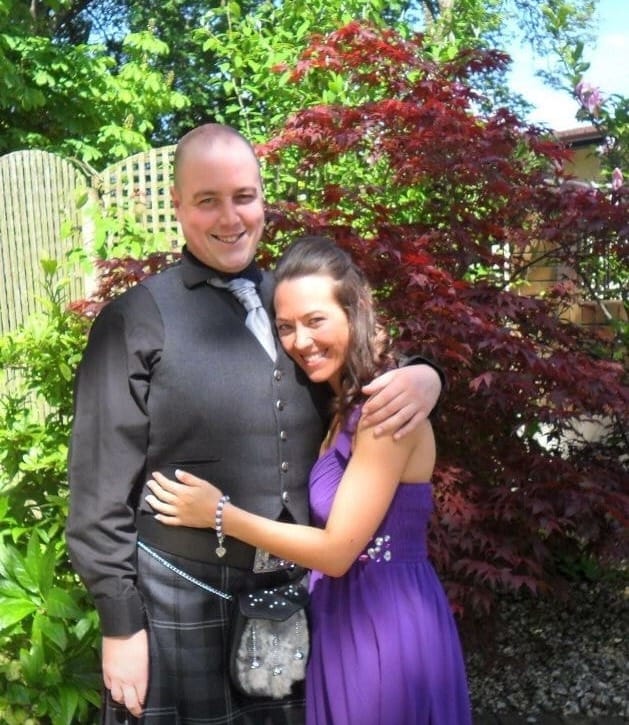
Sitting in her small flat in Bellshill in Lanarkshire, where she moved with her two children after her partner’s death, she gave heartbreaking details of Luke’s increasing paranoid and delusional thoughts, which she believes tipped into full-blown psychosis after he stopped using cocaine.
In that month of crisis she claimed she and Luke were refused help everywhere they turned. Addiction services that were meant to be “all-singing and all-dancing” closed on Christmas Eve for four days with no out-of-hours option and when they finally opened, Luke’s appointment did not go ahead because they believed he had been taking cannabis. He took his own life the following day. Toxicology did not find cannabis in his system.
“We tried hospitals, community mental health and addiction services,” she says. “There were no other doors for us. Where were we meant to go? Where were we meant to turn? Now there’s no accountability.”
A spokesperson for NHS Lanarkshire said it "extends its sincere condolences to the family and friends of anyone affected by suicide". They added: "We recognise how distressing and complex these circumstances are, and we are committed to continually learning and improving our services.”
McKeown, who is in contact with many other families whose experiences echo her own, said she started campaigning in Luke’s honour, to show problems were systemic and her case was indicative of a “broken” system. In 2021 she raised a petition calling for reform to mental health services, which was discussed by the petitions committee in 2025. Neil Gray, then health secretary, claimed at the time that “a lot has changed” since Luke’s death.
However McKeown said her FoIs, along with the experiences of families across Scotland, shot down his claim. “So much has been promised, policy and funding – but this [batch of FoIs] shows people are still not getting the help. It will continue to cost people their lives if something isn’t done.”
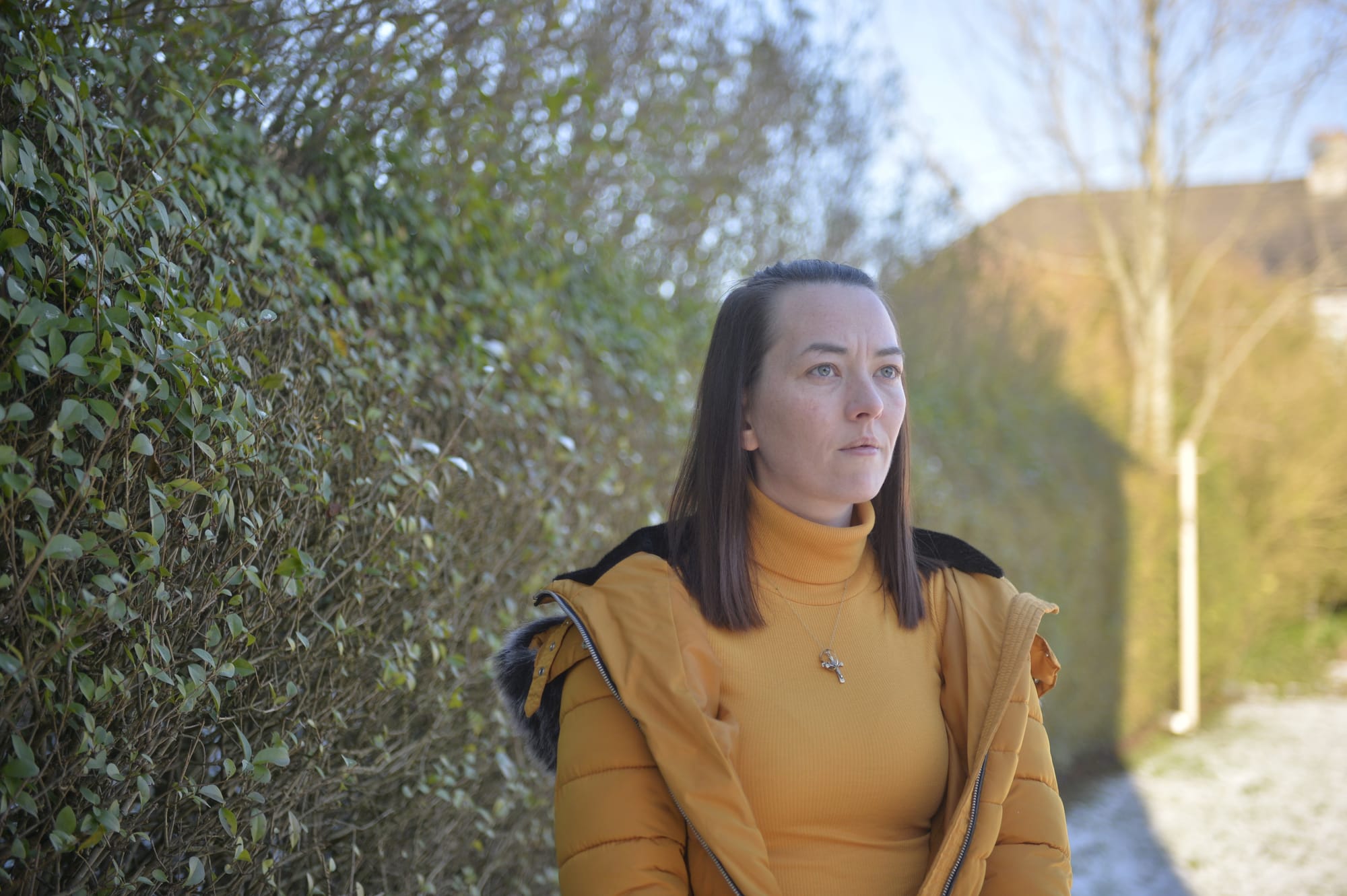
The Ferret spoke to Siobhan Williams whose father, Darrell Williams took his own life in August 2024. He had gone to A&E at the Lorn and Islands Hospital in Oban twice in the weeks leading up to his death, including on 26 July when he had taken a “severe” overdose but was not admitted despite his daughter’s concern for his safety.
A spokesperson for Argyll and Bute health and social care partnership said it takes “all concerns regarding patient care and safety seriously”.
In October, three months after Darrell's death, the Health and Safety Executive ordered the hospital to take measures to reduce suicides.
A similar notice was issued to Wishaw University Hospital at the same time. Fiona Ford, from Lanarkshire, claimed that two weeks before her partner, Barry Keane, completed suicide he had gone to that hospital with a homeless charity worker in June 2025 “begging for help”.
But when he refused to leave, she said, he was escorted out of the hospital by police. She claims they did not consider his situation serious because he was so well known to emergency services. Ford was one of many people who told us that A&E refused to help their loved ones when drug use was involved.
Last December, Police Scotland claimed the force was under “unsustainable pressure” as a result of the pressure of dealing with mental health incidents, while campaigners point out the police should not be the service dealing with severely unwell people. Chris and Karen Llewellyn, from Falkirk, who experienced police involvement when their sons were in psychosis, called for a separate emergency department for mental health to be established across the country.
In another case, a young woman with a complex mental health diagnosis, told The Ferret she was discharged after making a suicide attempt without follow-up. Though she still struggles with suicidal thoughts she said she now felt there was “no point” in going to A&E to get support for her mental health.
Natalie Dakhil’s father, Michael Byrne, tried to take his own life twice before he completed suicide on 5 February 2024 at just 62 years old. Three days before his death, he told his community psychiatric nurse that he intended to kill himself, specifying the method he planned to use, which is widely considered to flag the highest level of risk.
But, says Natalie, despite his prior serious attempts, he was judged to have "protective factors" including a loving family and only offered an appointment five days later. He took his own life two days before that.
With her husband Anton, Natalie went on to found A Place Called Here, a support group for survivors of suicide. “I find these figures deeply concerning, though unfortunately not unexpected,” she said.
“These experiences are not isolated incidents but reflect a system under significant strain. For many families, including my own, these deaths feel preventable, and we must do more to ensure that people in crisis receive the care and support they need.”
NHS Greater Glasgow and Clyde said its “condolences are with Ms Dakhil and her family” and declined to comment further due to “patient confidentiality”.
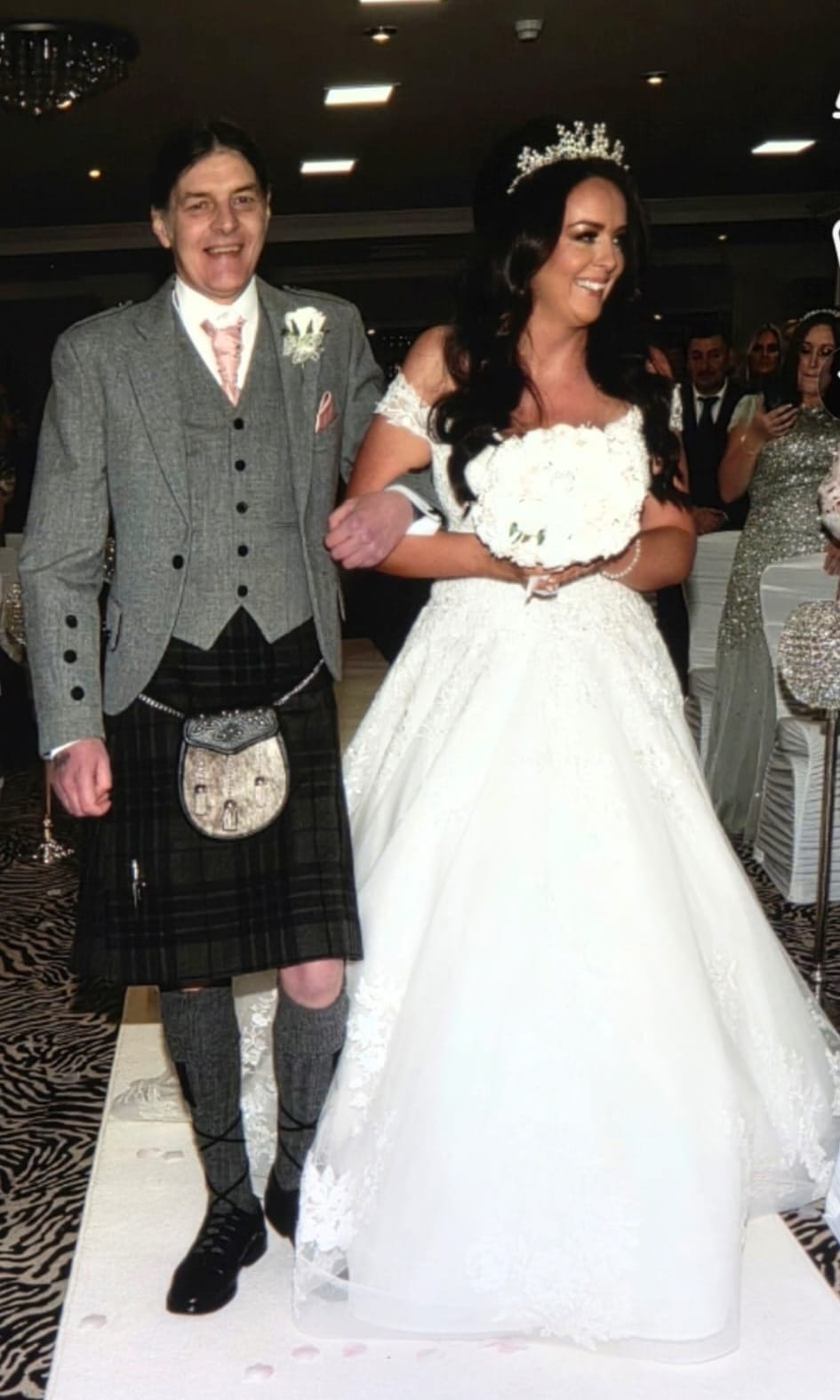
John Gibson, chief executive of The Canmore Trust, a charity he set up to raise awareness of suicide after his son Cameron took his own life at 24-years-old, claimed the mental health care system “at times, does not feel safe”.
He was tired and frustrated when we spoke, having spent many hours trying to get help for a young woman who had made two attempts on her life but was being refused a bed.
“This happens all too often,” he said. “The attitude we frequently meet is ‘we can’t admit you unless you’ve made an attempt on your life – saying you are suicidal is simply not enough.’ How can this be right with two people dying by suicide each day in Scotland?
“We need radical reform and my heart breaks for the many amazing staff on the frontline of the NHS who are clearly struggling with increasing demand alongside lack of staff and resources.”
Scottish Labour MSP Mark Griffin said Karen McKeown’s “heartbreaking” story “must be a call to action for the government”. “The appalling figures exposed by Karen’s research show that mental health support is falling short in communities right across Scotland,” he claimed.
“We need to make sure GPs, NHS 24, A&E and hospitals are all equipped to help people who are struggling, and Scottish Labour has called for the establishment of a dedicated mental health emergency service. I will continue to press the government to act.”
A spokesperson for NHS 24 said calls to its mental health hub were taken by “specially trained colleagues including psychological wellbeing practitioners and mental health nurses” able to offer a “comprehensive mental wellbeing assessment”.
“Calls to the mental health hub can be long and complex and can result in several possible outcomes ranging from self-care advice, referral to the caller’s own GP, or referral into other appropriate services within the caller’s own local health board area”, they added.
NHS health boards who responded to The Ferret said demand for mental health and addiction services had significantly increased and claimed they were taking action to strengthen access to mental health crisis support and tackle waiting lists.
Minister for mental wellbeing, Maree Todd, said: “Every death by suicide is a tragedy with a far reaching impact on family, friends and the wider community, and my heartfelt sympathies go out to all those affected.”
She claimed the government and COSLA’s suicide prevention action plan “sets out an ambitious programme of work over the next three years to prevent suicide” and has a £3m budget in 2026-27.
“This includes intensifying efforts to reach people at higher risk of suicide, building prevention awareness in our services and our communities and expanding the provision of timely, compassionate and high-quality support to anyone with thoughts of suicide or affected by suicide in any way,” she added.

Adult adoptees are calling for access to genetic testing to address the ‘health gap’ caused by their lack of information about genetically inherited conditions.

Those bereaved by suicide have a 65 per cent increased risk of taking their own lives. So why is there not more funding for support after tragedy strikes?

Far right organisation Knights Templar International, whose frontman Jim Dowson has a long history of involvement with extremist groups, is now supporting Scotland’s new wave of night patrols.

A disproportionate number of children and young people growing up in care are dying prematurely, prompting calls for preventative action.