

This 'natural' golf course could help shape the future of the sport
The Ferret visited a Scottish golf course that's won plaudits for its eco-friendly management to learn about the relationship the industry can have with nature and the environment.
The Ferret visited a Scottish golf course that's won plaudits for its eco-friendly management to learn about the relationship the industry can have with nature and the environment.
We asked about the environmental records of Scotland’s 25 best golf courses. The US president’s resort in the north east was the only one to breach its licence in recent years.
Changes to abortion law in England and Wales have been misrepresented on social media.
The Ferret visited a Scottish golf course that's won plaudits for its eco-friendly management to learn about the relationship the industry can have with nature and the environment.

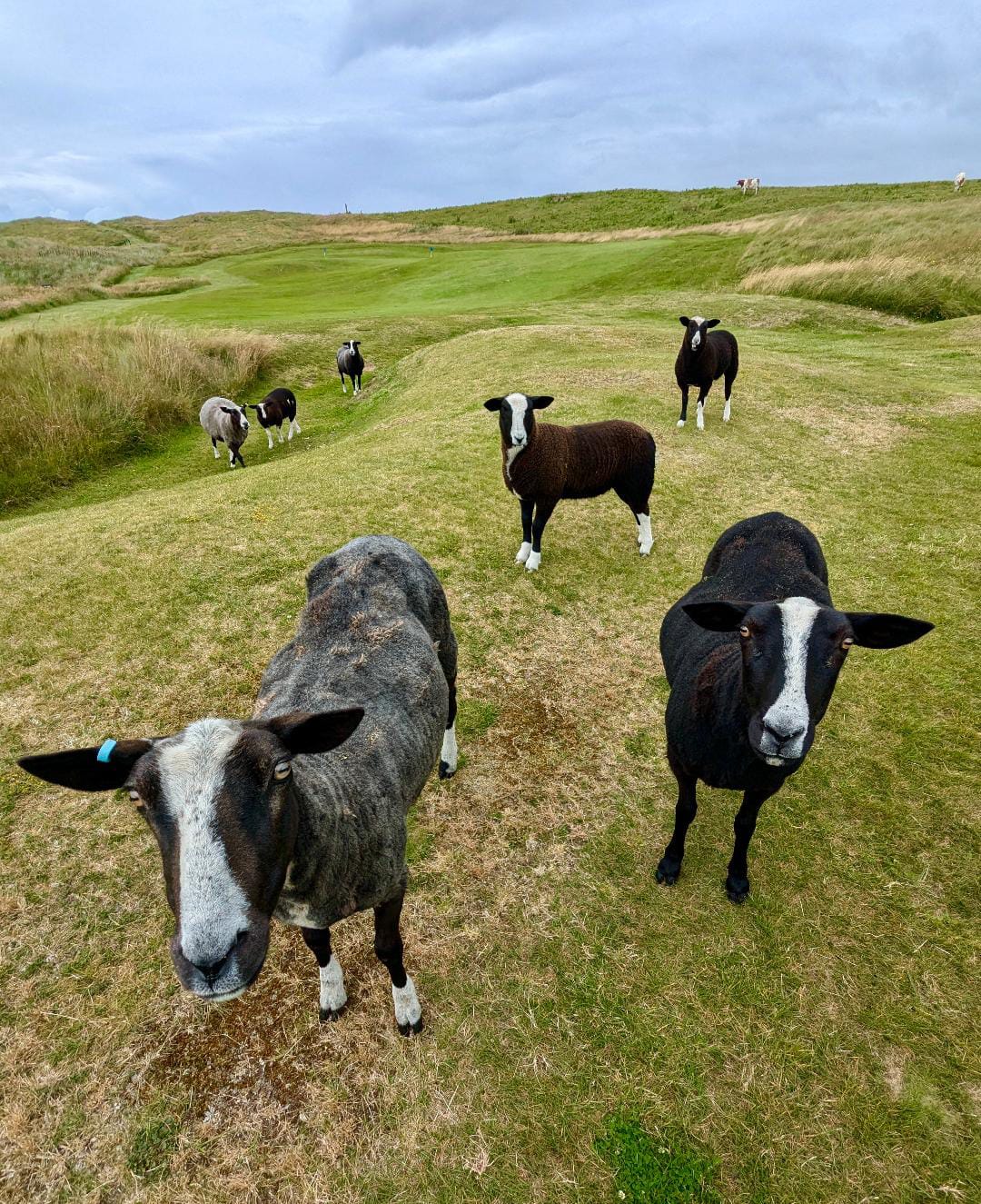
On a gusty spring morning at Machrihanish Dunes, James Parker is talking about golf, nature, and this course’s resident sheep who are hidden somewhere amongst the rolling sand dunes.
We’re on the “world's most natural golf course” where sheep are welcome – both for their dung, which adds nutrients to the soil, and their grazing, which keeps the marram grass from smothering wildflowers. Sheep droppings mean that golfers must tread carefully, but the animals are an important part of this golf course's heritage.
“Everything in nature works on a competitive edge,” says Parker, the club’s superintendent, who moved from near Newcastle to Campbeltown in 2022 to take up his role here after managing several other courses in the UK. “We kind of work on the assumption that this is a nature reserve that facilitates golf,” he adds. “It's not a golf course that facilitates nature."
The Ferret is visiting the small course, on the Kintyre Peninsula, not primarily in search of sheep, but to better understand its famed green credentials as part of our latest series, Green Drive: Golf and the environmental crisis.

Golf can have an unsustainable demand for land, a thirst for water, and a reliance on pesticides and fertilisers to maintain its green and manicured courses – posing potential risks to humans, wildlife and the environment.
But at Machrihanish Dunes, fairways have been allowed to grow naturally since its inception in 2008, with no irrigation or chemicals. While the course uses mechanical technology to trim its rough areas, and has plans for a fleet of solar-powered robot mowers, the sheep have become so emblematic of the club that it “wouldn’t be without them”.
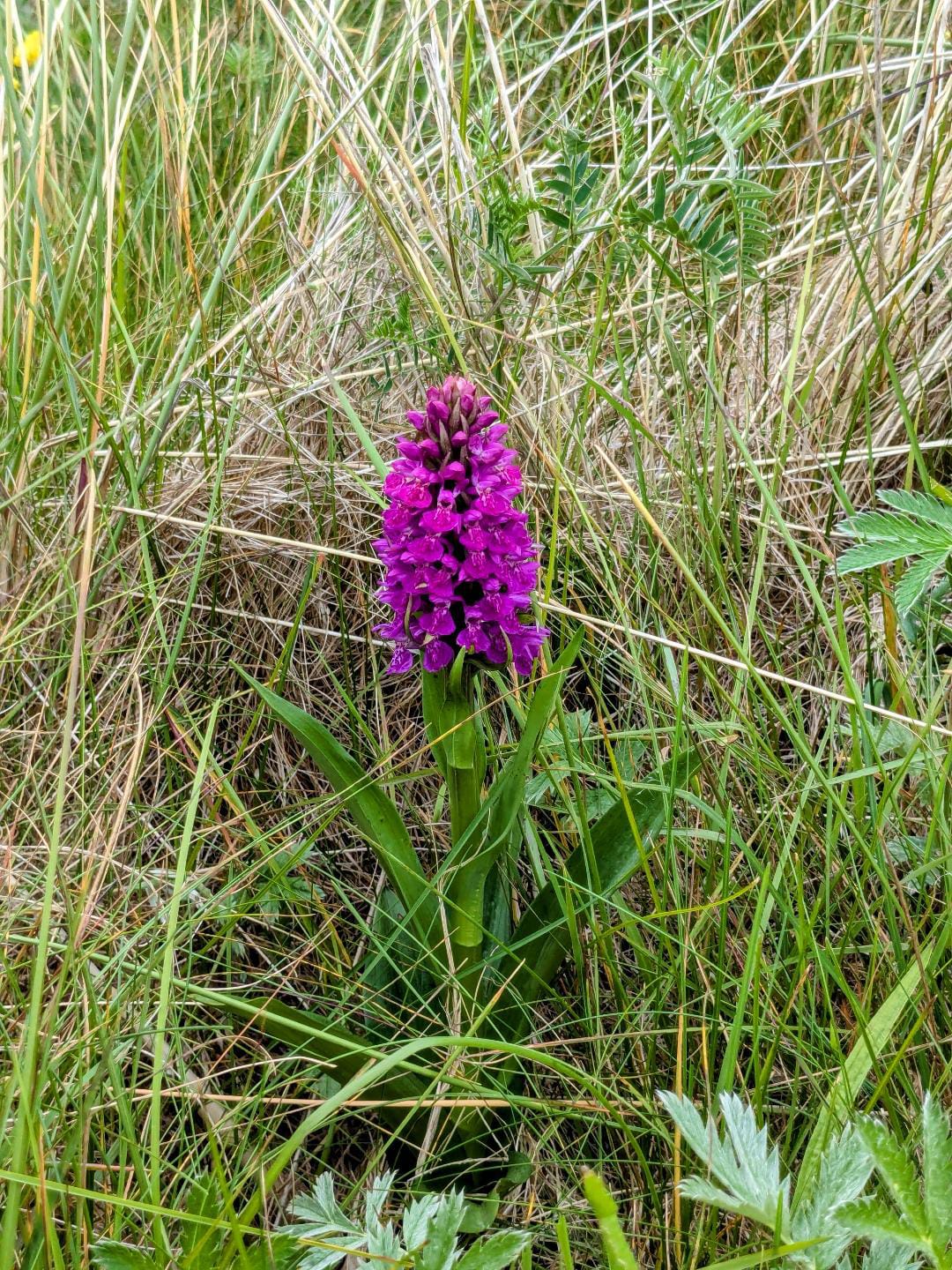
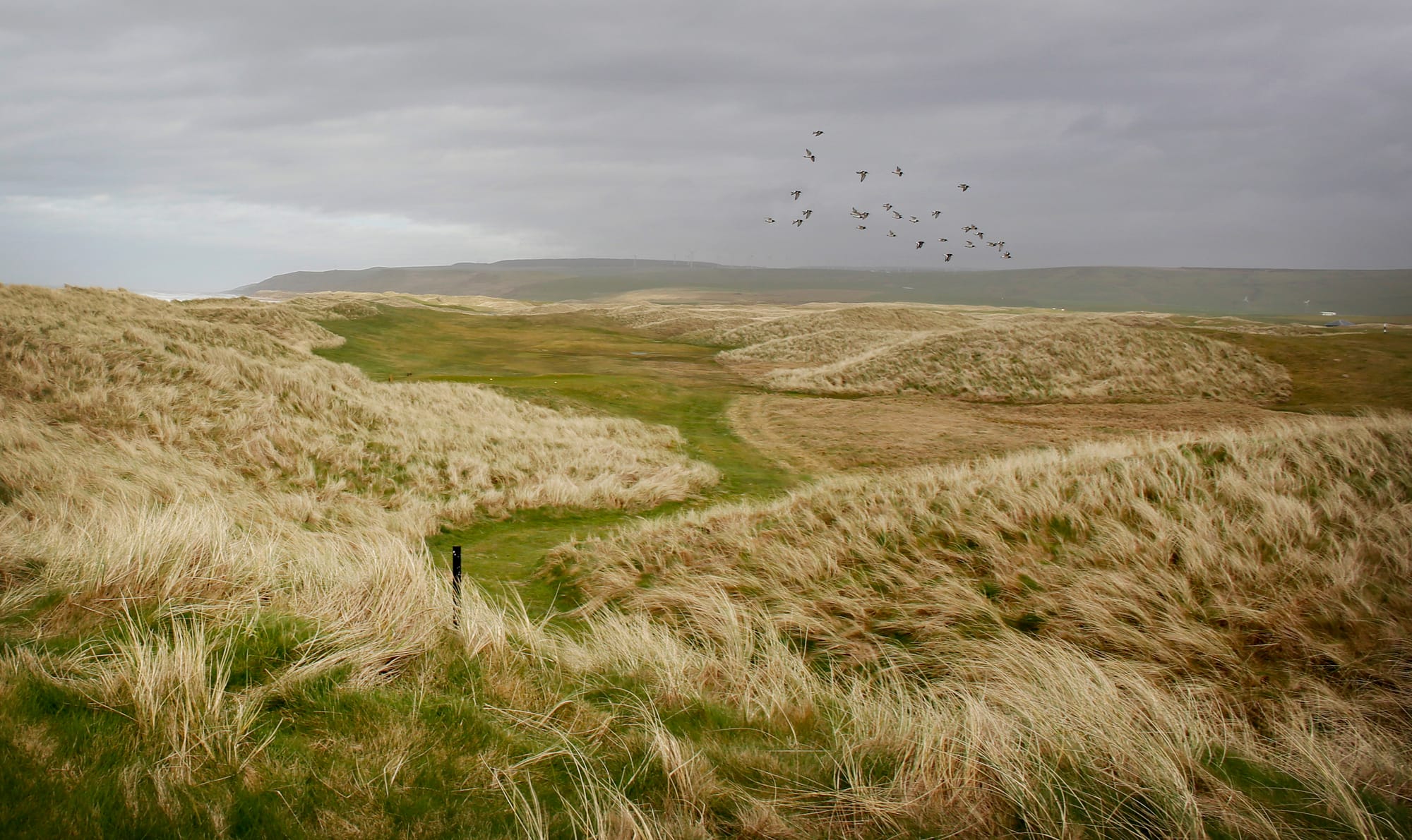
Machrihanish Dunes is reportedly the first course to have been built on a Site of Special Scientific Interest (SSSI) – a location that Scotland’s wildlife agency deems to be among “essential building blocks for nature conservation”. Flanked by the Atlantic, sand dunes, grasslands and rare wildflowers are among its iconic features. In the summer, the course is awash with pink pyramid orchids.
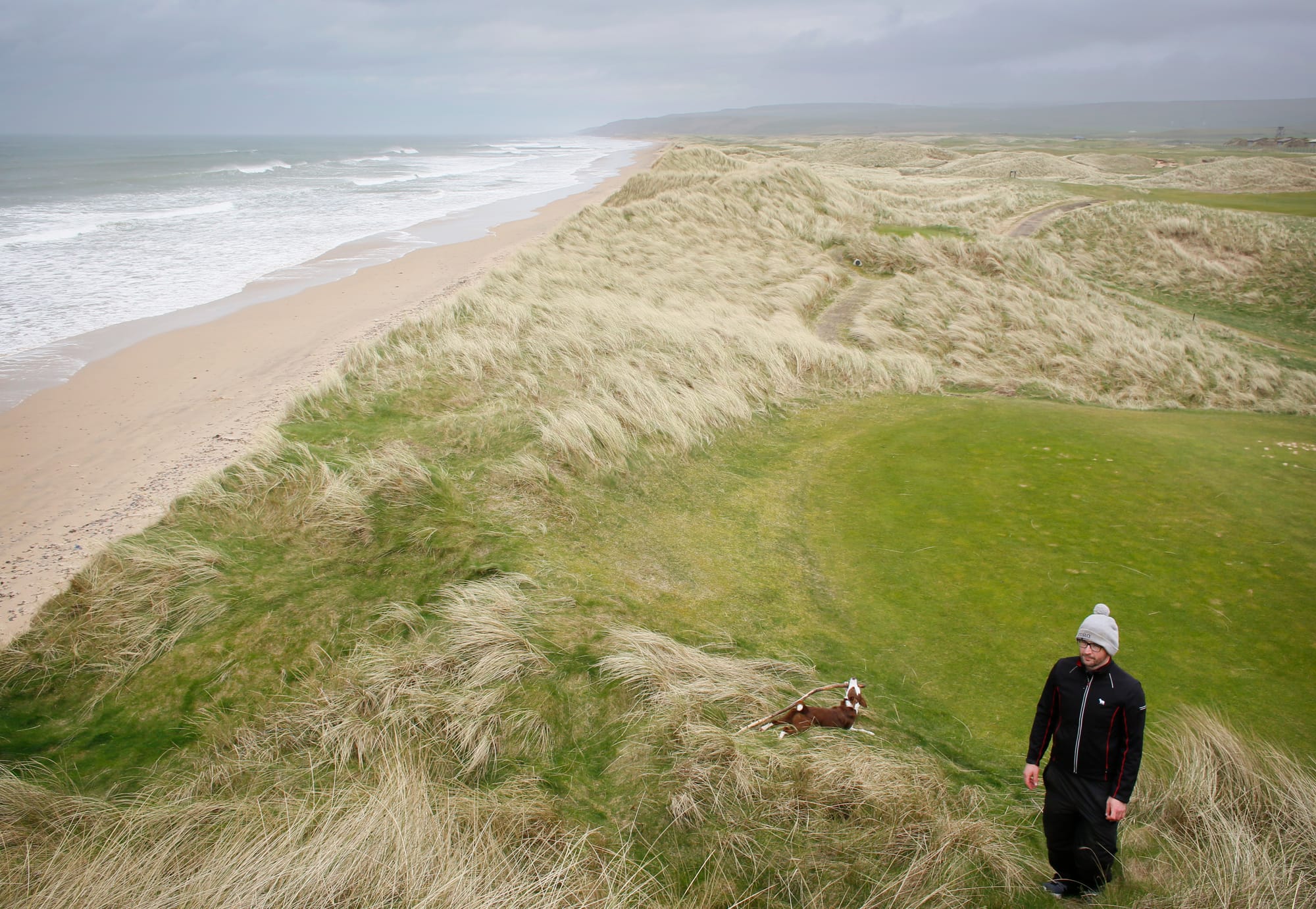
Pointing out towards the horizon, Parker claims that just three of the course's 81 hectares were disturbed during its construction – only the tees and greens were shaped beyond their natural form. Such careful planning and maintenance techniques helped Machrihanish Dunes become the UK’s first-ever 18-hole course to be certified by the East Lothian-based GEO Foundation for Sustainable Golf, in 2010, just two years after the club was founded by Australian, Brian Keaton.
The club lists dozens of awards after judges favoured not only its environmental performance, but the overall quality of its course. It beat a wealth of competition – both in Scotland, “the home of golf, with our more than 550 courses – and internationally. The club says the course has been built, used and maintained without disturbing precious dunes and other rare wildlife. But how does it manage this?
“It’s not easy”, says Parker. “Golf and nature work well together, but they don't work together exclusively. There’s always going to be a minor concession along the way for us. We concede to the SSSI more than we concede to golf.” But this approach, he believes, adds to the course’s charm. “This is golf in its most natural form, and this is how golf would have been played”.
The clusters of marram grass contrast with many immaculate courses seen in televised events, and it's a challenging one to play. “Instead of going through dune systems, we play over them,” says Parker, who argues that adapting to the natural environment makes for a more unique course.
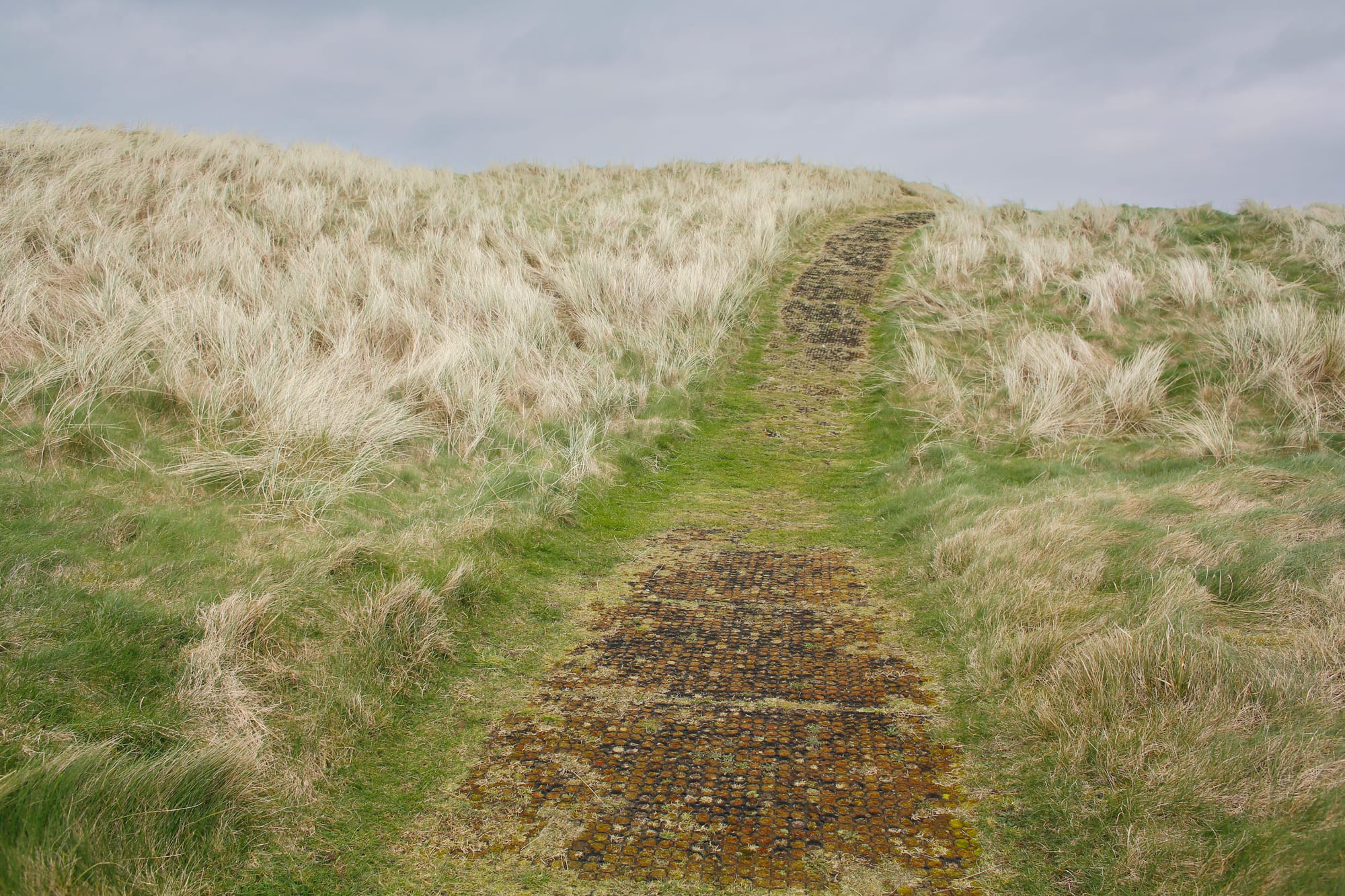
“We've got to get used to embracing imperfection, and we’re starting to see that more and more. What the sport needs is a professional tournament to be played on a golf course like this. It’s for somebody to start that process off to say ‘this is what golf will be in the future’”.
His beliefs chime with industry recommendations from the University Centre Myerscroft in Lancashire. It cites “future trends of more ‘rugged and natural’ courses” and has advised clubs “to manage players’ expectations of what courses will look like”. “This is an opportunity for golf to promote the unique character and differences between courses, where players can test themselves in its raw and natural environment,” it adds.
Similarly, the St Andrews-based world golf body, the R&A, said “the demand for ultra-fast putting surfaces is just one example of where expectations clash with sustainability”, which can lead to rising maintenance costs, a need for more resources and, in turn, higher green fees.
Parker says his club aims to “allow natural processes to happen”, such as leaving dunes unobstructed so they can be continually shaped by the wind. But the club might manufacture more bare sand areas to attract wildlife, removing invasive species without the need for chemicals. “We get lizards basking in [bare sand], the birds will dust down, and the deer will hide in them,” he explains. “In the winter, the sheep will hide in them.”
Removing invasive species like spear thistle and creeping thistle aids thriving populations of pyramid orchids and other native wildlife, says Parker. “It's because we've allowed the seeds, the space and the air to pop.”
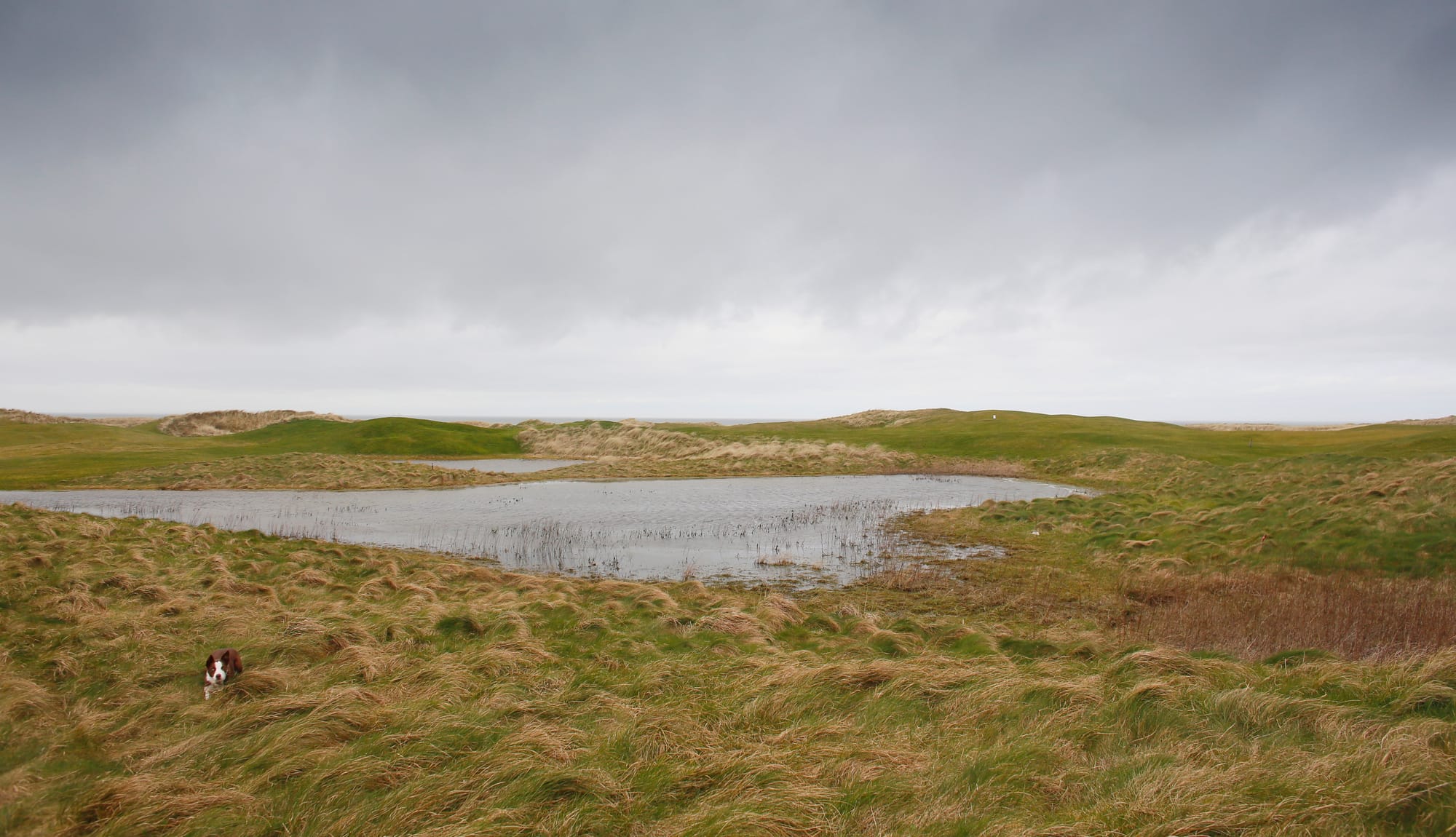
Fewer than 6,000 rounds are played at Machrihanish Dunes each year, meaning the course is under less pressure than many others are. Parker takes his role as a custodian of a SSSI seriously nonetheless. But he claims NatureScot did not frequently manage or monitor the protected site until plans for the golf course were lodged. Then, the site was “increasingly subject to scrutiny and regulation".
In 2009, the wildlife agency found the sand dunes to be in “unfavourable” condition, following damage from invasive species and rabbit grazing.
Parker believes NatureScot lacks the resources to properly monitor Scotland’s numerous sensitive sites, and warns that, when neglected, they can degenerate. “Before you know it, in 10 years, you've got something that’s struggling to resemble a SSSI”.
In spite of known negative environmental impacts associated with the sport, golf courses can play a role in conservation, according to a 2023 study. In 2024, Dr Mike Jefferies, an associate professor in geography and environmental sciences at Northumbria University, wrote that, if managed effectively, courses can support more biodiversity and wildlife compared to farmland or suburban developments.
Another example of a nature-centric approach involves the Fife Golf Trust’s seven golf courses for nature project, which brings together courses in Cardenden, Cowdenbeath, Kirkcaldy, Glenrothes, Kinghorn, Lochore and Leven
It’s won awards for its efforts to boost biodiversity by creating, connecting, and boosting habitats across its courses, with an array of new woodlands – made up of 10,000 newly-planted trees – grasslands, wetlands and water bodies. It also planted new hedgerows and removed 2000m of redundant fencing to create wildlife corridors, and installed dozens of boxes to house owls and bats.
Other efforts to improve the sport’s green credentials are underway too. As part of its Golf Course 2030 initiative, the R&A promotes a range of climate-focused projects, including sustainable soil management and water usage, and a greenkeeper scholarship programme to help develop sustainability skills. It’s also commissioned research into biodiversity and carbon sequestration, nature on golf courses, and waste and pollution.
 Billy Briggs
Meanwhile, Scotland’s Dynamic Coast project, which has found that coastal erosion poses a risk to links courses – an issue The Ferret recently explored – offers advice to help courses to monitor, adapt and increase resilience against the environmental threat.
Tiree is acting as a key case study for the project, with plans over the next few years to reprofile beaches on the Inner Hebridean island “to buy time” at erosion hot spots, and develop a wider plan to adapt to and protect against coastal change.
As we reach the northern boundary of Machrihanish Dunes, Parker tells us about his plans for a second course, which has been given the greenlight. Planning rules have tightened since the original course was originally built, meaning the club has had to make more concessions for the second – while the plans have been slowed for two years.
The current site consists of surplus agricultural land and a quarry, with many of the natural features diminished, Parker says. But he promises the club will regenerate this part of the SSSI and create a “network tapestry of different grasslands, with different textures that wildlife will utilise”.
He claims there’s no good research as to whether golf courses hurt or hinder SSSIs, and wants the new site to be part of a case study.
There are examples of clubs creating and conserving dune slacks, and removing invasive species, he says. “But what we've not seen is everybody tie that together in one package and do a full SSSI restoration, which will be extremely challenging to do.”
 Paul Dobson
Parker is acutely aware of the sport’s environmental reputation. “I think ecologically, golf takes a bashing because people think it's an ultra-high consumer resource. But it's not. It couldn't be further from the truth.”
Courses can be made using few resources, he argues, with many lacking the need for fertilisers due to their nutrient-rich soils, for example. But Parker does not give the sport a free pass either, or believe that all developments are a force for good. “I think golf courses should fit within certain habitats”, he clarifies.
Ahead of our visit, Parker called for a balanced debate in which plans for new sports facilities are scrutinised, but with recognition of “the tremendous strides this industry is making and its contribution to protecting and bettering the natural world”.
“Golf and the environment can work hand in hand and Machrihanish Dunes is a prime example of how a once neglected site is now being tended to and protected for the enjoyment of all,” he said.
“It’s time our industry was recognised for what it is: professional and interested in both product quality and understanding how this works within the wider, more important context of the environment, which we’re all custodians of and seek to protect daily.”
En route back to the clubhouse, Parker admits he’s become more interested in course management and soil science than the game itself, but it’s clear he loves the club. “It’s the only one I've managed that I’d actually be a member of, because it's just so incredible.”
This story is part of Green drive: Golf and the environmental crisis – a series on golf and the environment funded by Journalismfund Europe – an independent, non-profit organisation in Brussels that supports cross-border investigative journalism.
Our investigations were carried out in partnership with the Spain-based journalist, Natalie Donback, and Italian journalists coordinated by the Fada Collective.



We asked about the environmental records of Scotland’s 25 best golf courses. The US president’s resort in the north east was the only one to breach its licence in recent years.

Climate change is causing rising sea levels and coastal erosion and 109 Scottish golf courses are at risk. We examined the issue as part of Green drive: Golf and the environmental crisis – a special Ferret series on golf and the environment.

Anas Sarwar's party accepted over £7,000 from Stonehaven, a lobbying firm which represents the owner of Scotland's last nuclear power station. Scottish Labour has sought to make nuclear power a battleground in the May election.

Britain Remade has appointed two directors from a lobbying firm which represents EDF, the owner of Scotland’s last nuclear power station.


