

Claim 'abortion to birth' is now legal in the UK is Mostly False
Changes to abortion law in England and Wales have been misrepresented on social media.
Changes to abortion law in England and Wales have been misrepresented on social media.
Climate change is causing rising sea levels and coastal erosion and 109 Scottish golf courses are at risk. We examined the issue as part of Green drive: Golf and the environmental crisis – a special Ferret series on golf and the environment.
The Ferret exposed the extreme views of Reform UK’s Scotland’s candidates before Nigel Farage promised to improve his party’s “poor” vetting processes, but many of them have been re-selected to fight the Holyrood election.

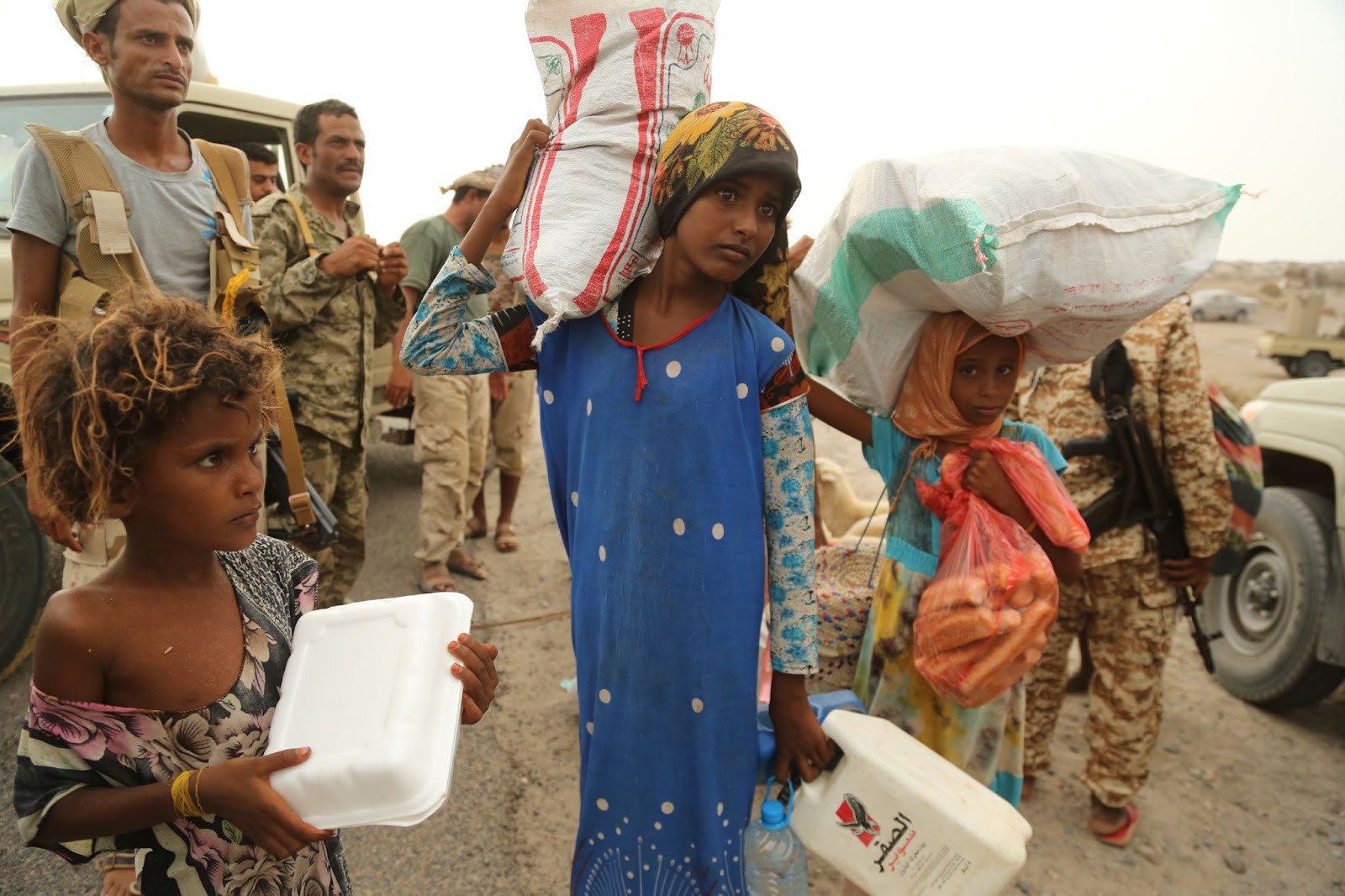
“When you are a photographer you learn how to snatch a photo,” said Asmaa Waguih, an Egyptian photojournalist who works in warzones. “I think I learnt as a photographer to make use of any opportunity…sometimes photography comes one hour here, and then one hour there, before people tell you to go.”
Waguih spoke to The Ferret ahead of the launch of her new book – Unfinished War: A Journey Through Civil War in Yemen – which documents everyday life in a war-ravaged country once thought to be the realm of the Queen of Sheba.
An independent photojournalist with over 20 years experience, Waguih previously worked for Reuters News Agency, covering wars in places such as Iraq and Afghanistan.
She lives in Cairo but has travelled to Yemen regularly since 2016 to document a conflict largely ignored by the mainstream media in Britain since it erupted 10 years ago.
It’s a war The Ferret has reported on since our foundation in 2015 due to the UK’s role in arming an international coalition supporting Yemeni government forces, who are fighting Houthi rebels backed by Iran.
Britain has backed the Saudi-led coalition by providing bombs for coalition attacks, leading to allegations the UK has been complicit in alleged war crimes due to civilian targets being bombed. And the RAF bombed Houthi targets in Yemen this week in an attempt, the UK Government said, to stop attacks on international shipping in the Red Sea.
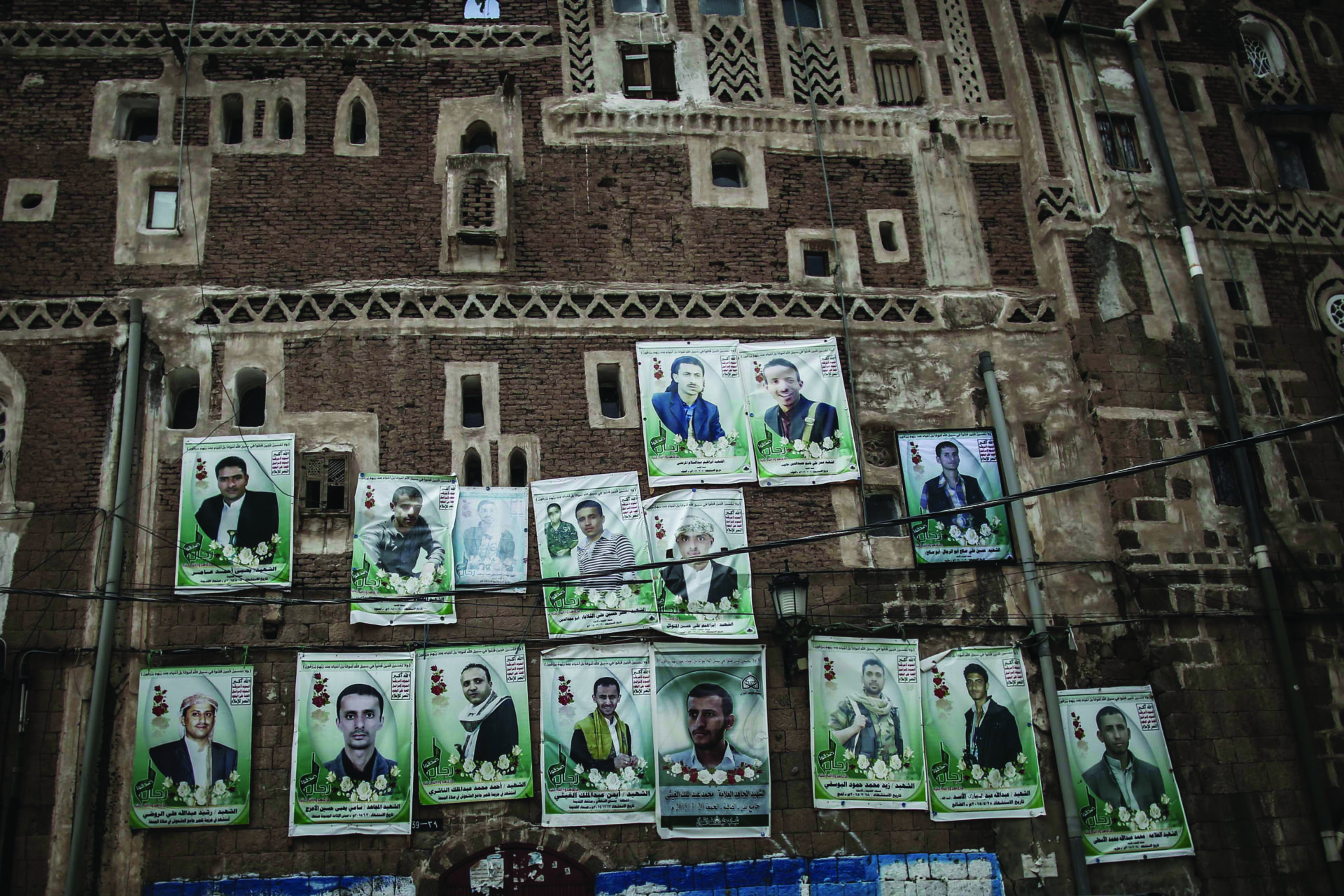
The war has killed more than 160,000 people, according to the Armed Conflict Location and Event Data Project, and more than four million people have been displaced from their homes.
Given the scale of the conflict in Yemen, Waguih’s access on the ground has been remarkable. Having set up a network of tribesmen, fighters and civilians, she entered areas forbidden to outsiders, travelling from the Houthi-run capital, Sana’a, to other regions and cities including Southern Taiz, Hodeidah (overseeing the Red Sea) and the strategic coastal town of Aden.
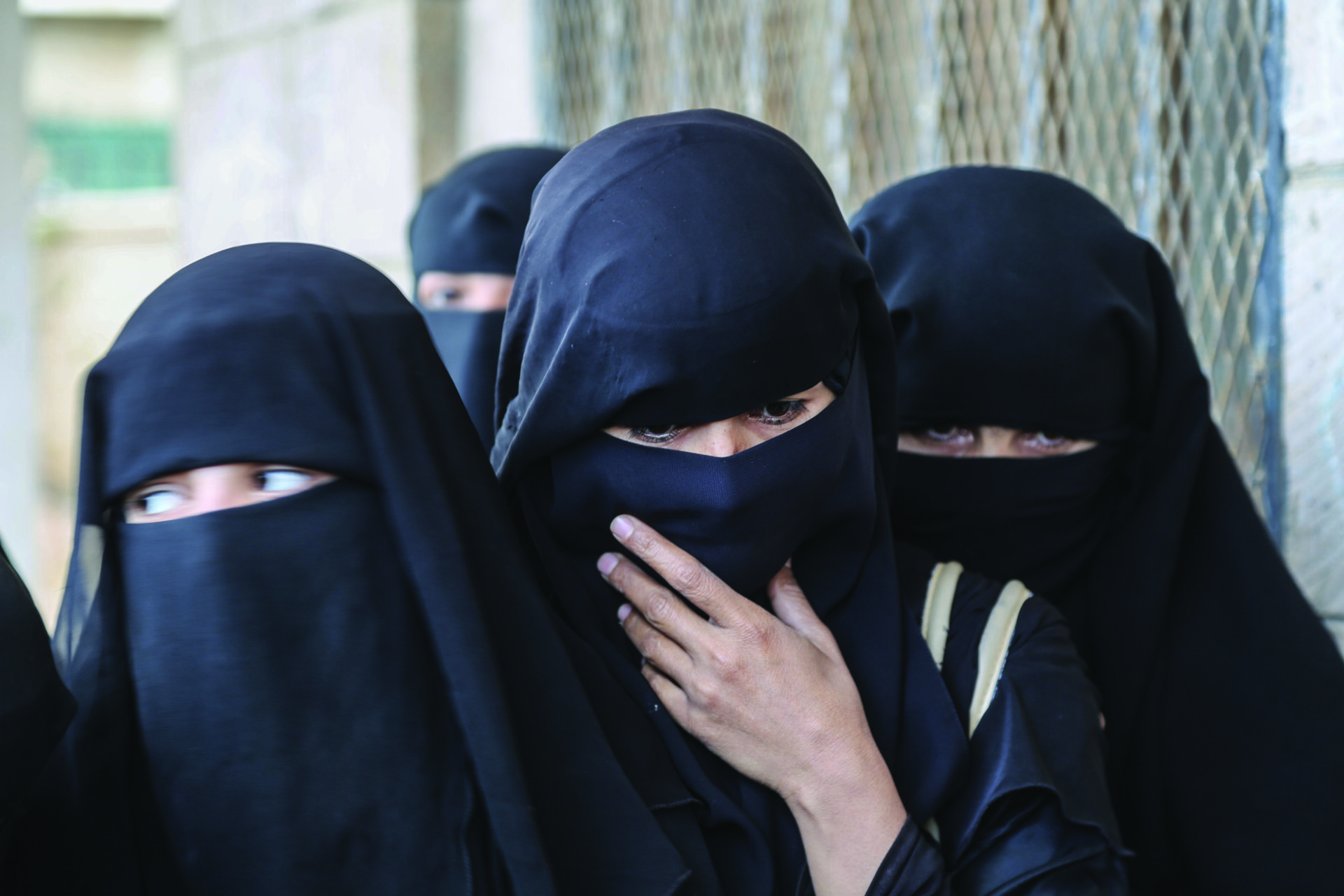
“I had my camera taken from me two times, I would take a photo quickly, thinking nobody would notice me, but they would erase pictures.”
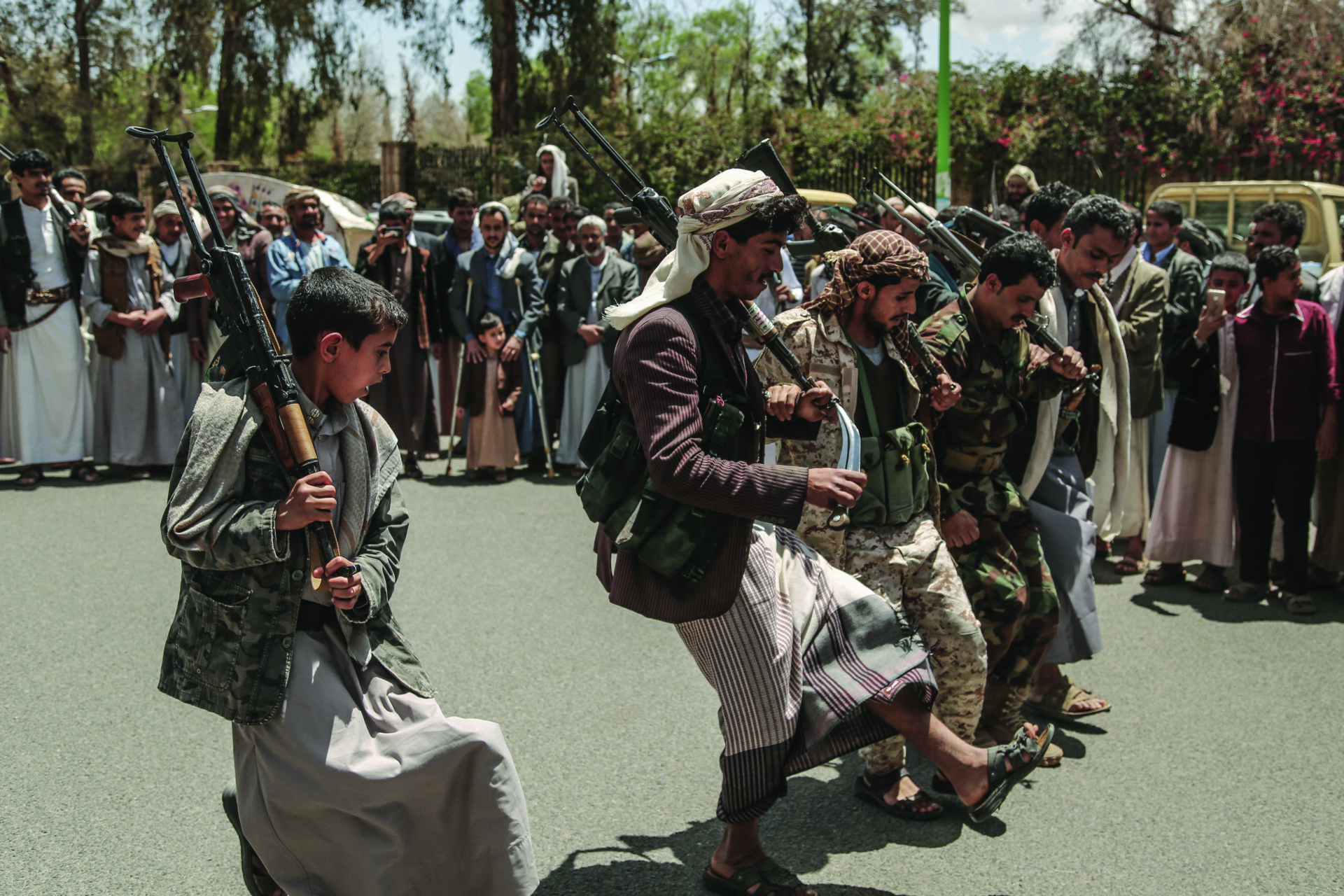
Inside Sana’a, a city situated in a mountain valley at an altitude of 2,200 metres, Waguih saw militiamen, many just youngsters, roaming the city wearing a mix of military jackets and the traditional Yemeni Mi’waz, a thin patterned cotton or linen fabric wrapped around the legs like a skirt. “They criss-crossed the city in pick-up trucks, flaunting weapons that look too big for a child to carry,” she said.
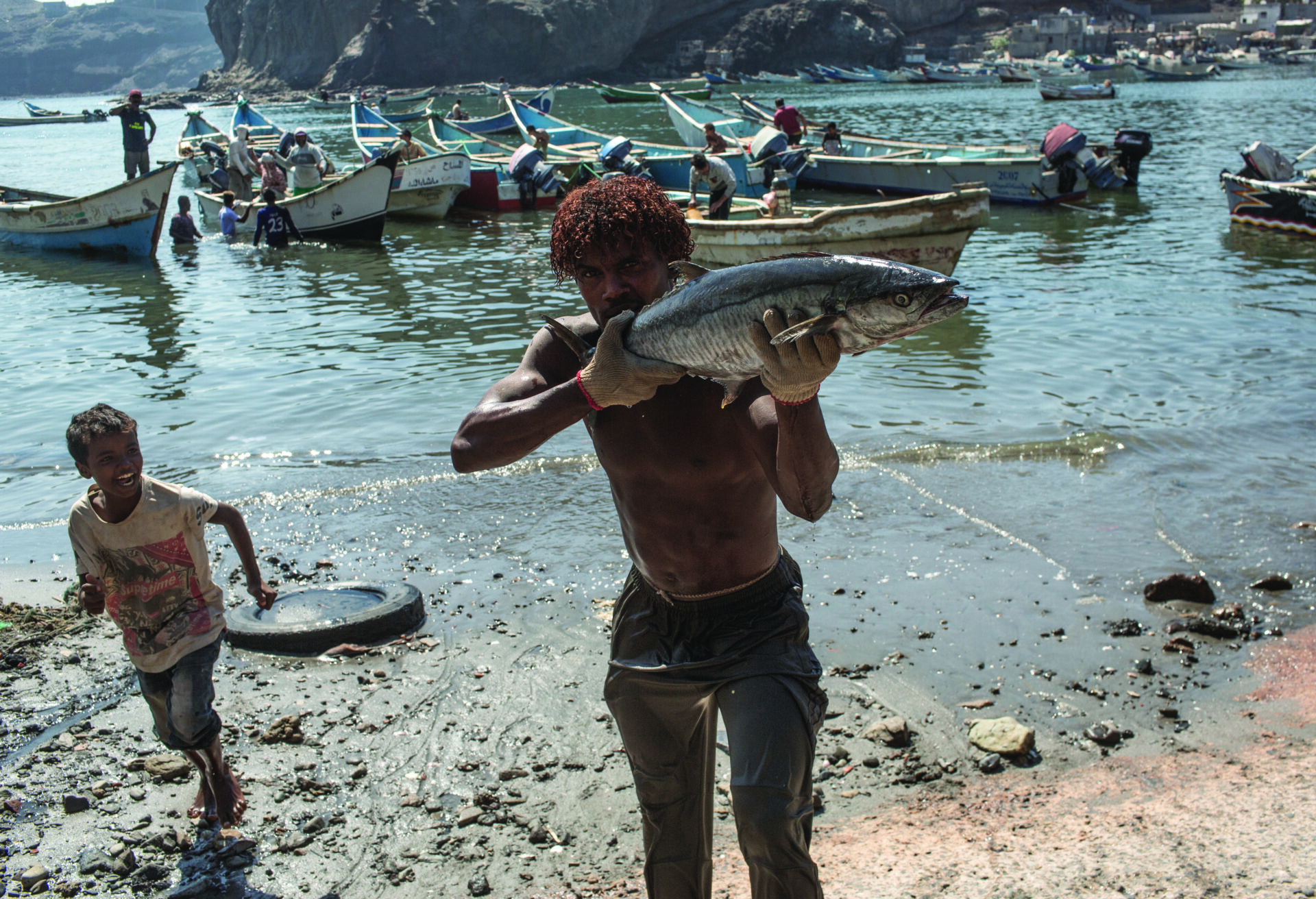
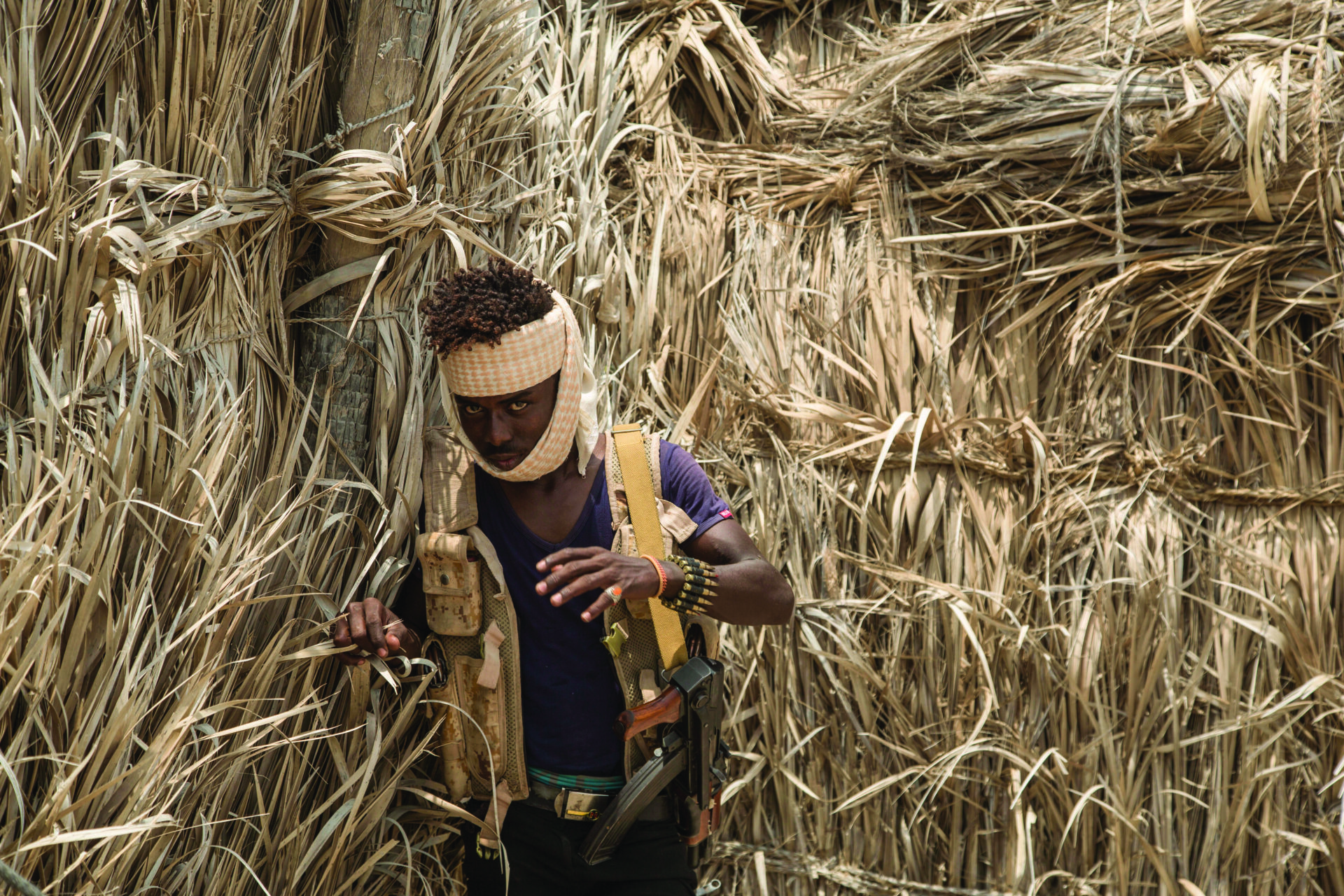
“It wasn’t easy to reach the front line but many times I got help from the local fighters. Tareq’s forces [Tareq Abdallah Saleh, the nephew of former president Ali Abdullah Saleh] appeared to be the best trained as they used to be part of the regular army during the former regime and they accepted journalists, unlike the Salafists members who were fighting fiercely but were cautious of the media.”
In Hodeidah, the combat was fierce, she recalled, with fighters talking about “thermal missiles” used by the Houthi forces. “The coast was littered with landmines…a Tihama commander I interviewed was killed by a landmine a few days after we spoke.”
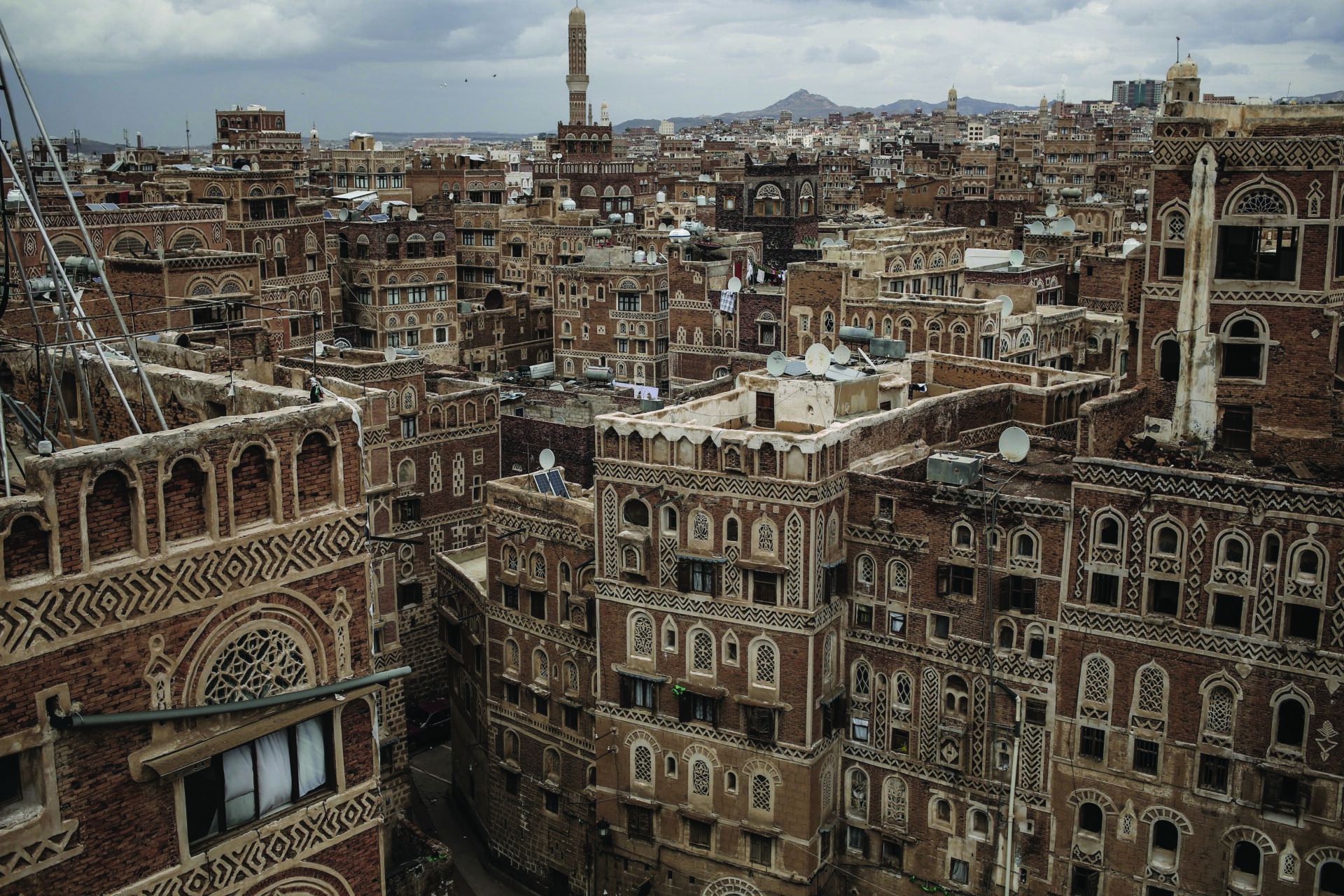
Waguih also travelled to Aden, a centre of education in Yemen with a colourful mix of Indian architecture and traditional Yemeni houses. “Somali, Indians and Farsis – people from modern day Iran – all lived in Aden. The city was a melting pot of people, religions and ideas.”
Unfinished War: A Journey Through Civil War in Yemen – a book of 150 colour photographs – will be published on 11 June.
Transcription by Leah Flint.


The Ferret visited Poland to visit House 88, the former home of Rudolf Höss, the SS officer who ran the Auschwitz-Birkenau extermination camp. The house is being transformed into a global centre to fight extremism.

We visited the Polish city of Krakow ahead of Holocaust Memorial Day which is held to remember the millions murdered by the Nazis – including six million Jews. Krakow's Jewish population was decimated then but the city is now home to one of the fastest-growing Jewish communities in the world.

Scotland’s prison transport operator has been condemned for performance failures. It’s co-owned by a US corporation supplying bounty hunters for Donald Trump’s mass deportation initiative.

Mohammed was 17 years old when he was shot by an Israeli sniper in Bethlehem. Two years on, his family say there is no accountability for his death. Their story is one of dozens from across the West Bank, it is claimed, with human rights organisations calling for child rights to be upheld.


