

Sepa branded ‘toothless’ after salmon farm accused of 15 environmental breaches
The Scottish Government’s green watchdog sent seven letters over three years alleging multiple breaches at a fish farm – and then issued a final warning letter.
The Scottish Government’s green watchdog sent seven letters over three years alleging multiple breaches at a fish farm – and then issued a final warning letter.

This US-style right-wing political pressure group keeps its funders a secret. Its members have helped man Scotland’s anti-migrant and asylum demonstrations.

Adult adoptees are calling for access to genetic testing to address the ‘health gap’ caused by their lack of information about genetically inherited conditions.
The Ferret did a deep dive into the Electoral Commission’s donation records to find out who was funding Scotland's political parties.

You probably haven't heard of him, but one out of every five pounds banked by Scottish parties came from his fortune. Robin MacGeachy’s wealth was made in the obscure business of gas generators for science labs, and he’s used it to become the biggest money man ahead of this election.
MacGeachy is the largest of the many wealthy individuals who, alongside influential party insiders – including those with vested interest in key policy areas – are helping to bankroll the Holyrood campaign.
The Ferret looked at thousands of the Electoral Commission’s donation records to find out who filled the war chests of our political parties since the last Holyrood vote.
Our analysis of the latest available found that Scottish parties reported nearly £7.7m in reportable donations – which exceed £11,180 from a single source in a calendar year – between the last election and the end of 2025. A tenth came from ‘dark money’ groups, which are not required to reveal the source of their funds.
Meanwhile, UK parties logged £223m over the same period – some of which is sure to have been sent north of the border.
Campaigners said our research shows that a small number of wealthy individuals are “buying influence and access to political parties”, which “squeezes out ordinary voters”.
They urged the UK Government to put a cap on donations and ban contributions from “secretive individuals or companies”.
Billionaires and (mostly) businessmen
The Ferret traced over a fifth (£1.6m) of donations to Robin MacGeachy. He’s the owner and founder Renfrewshire’s Peak Scientific, a manufacturer of gas generators for laboratories and, in 2023, was given an OBE in the King’s birthday honours for services to manufacturing and philanthropy.
Last year, we revealed that he was a director and shareholder in the private Loch Lomond Golf Club, which is ultimately owned and operated by a firm incorporated in the Cayman Islands, and reportedly costs more than £100,000 to join.
MacGeachy resigned months later, after more than six years in the role.
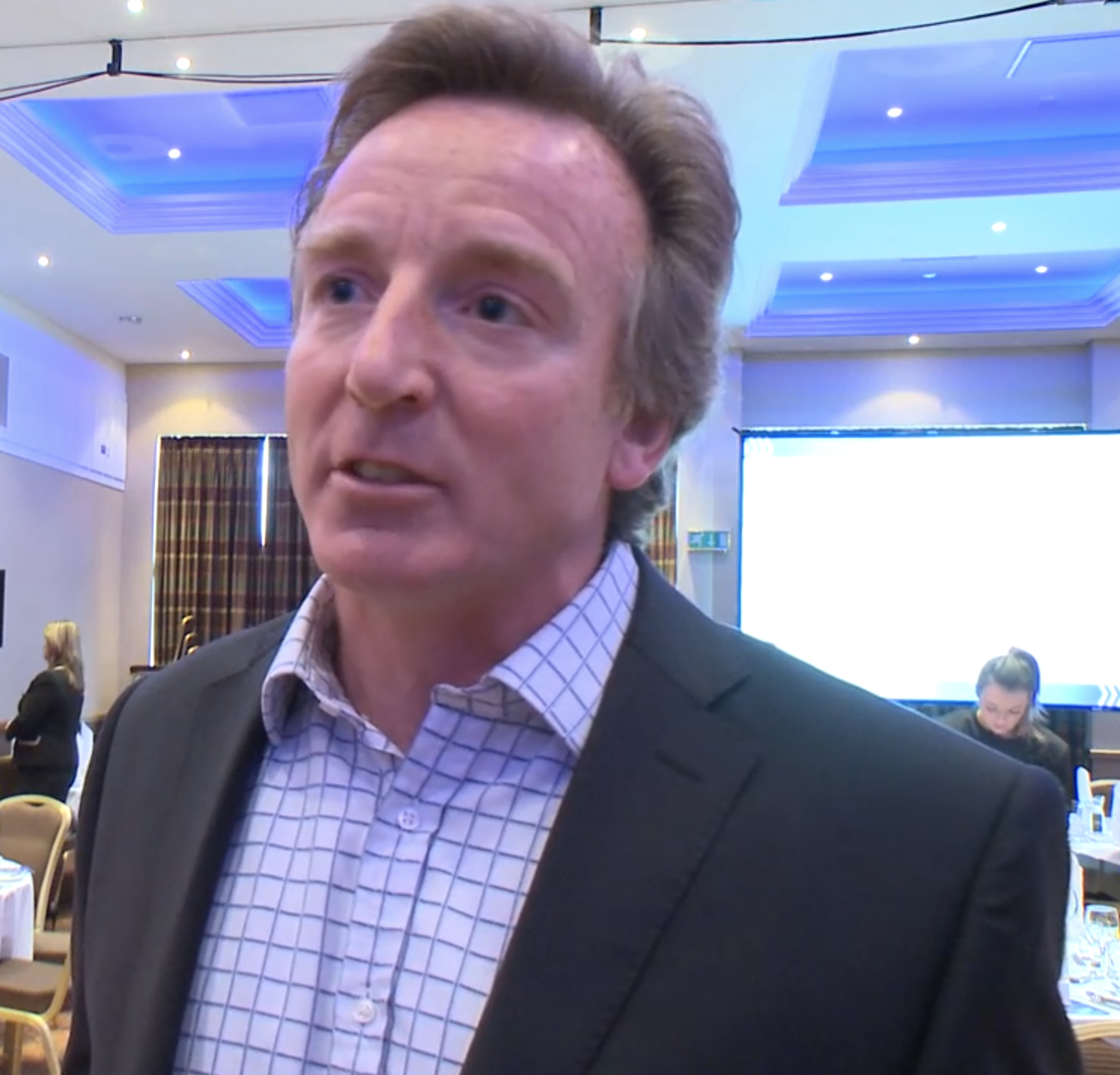
Companies he owns or co-owns handed £910,000 to the Scottish Liberal Democrats and £700,000 to Scottish Labour. This represents nearly half of all of the Lib Dems’ donations, and nearly a quarter of Labour’s.
The donations were made via MacGeachy’s non-trading company Treeman Rockafella, Peak Scientific, and its parent, Dusty TLP, which he co-owns with his wife.
Their firms have made nearly £3m in donations since 2014. They helped bankroll the Tories until 2021 – having donated more than £1m to the party – and gave £10,000 each to the pro-union Better Together and Scottish Business Supports the Union groups.
In 2021, Robin MacGeachy described the prospect of Scottish independence as “really quite frightening” and said Peak Scientific would “certainly move our headquarters south” if Scotland left the union.
MacGeachy did not respond to a request to comment, but a spokesperson previously told The Ferret that his firms “are not at liberty to disclose the reason for party donations”.
Business interests provided more than half (£1.56m) of the known war chest of Labour and its sister Co-operative Party. This is six times more than the £243,635 that came from trade unions, despite many being formally affiliated to the party.
The Easdale brothers, who are among Scotland’s richest men, gave £150,000 to Scottish Labour via one of their firms. The bus tycoons said they want to help the party remove the SNP from power, believe Anas Sarwar has a better handle on business, and reportedly promised to double the donation if the party leader was able to shape policies which they considered to meet Scotland's needs.
In 2024, Sandy Easdale criticised Labour’s plans to let English local authorities take private bus firms into public ownership, comparing the move to the policies of Russian president Vladimir Putin.
Almost a tenth of Labour's donations (£270,000) came from Paul McManus, drummer in Scots rock band Gun and a £100,000 funder of a legal fight against Glasgow’s Low Emission Zone. The Labour supporter also vowed to fund a case against the Scottish Government, lodged by late SNP first minister, Alex Salmond.
The party was handed £295,500 by entrepreneurs Puneet and Poonan Gupta, mostly via their Inverclyde PG Paper Company, which is ultimately owned in the British Virgin Islands, a tax and secrecy haven. Their firm also gave £40,000 to Sarwar’s first leadership bid in 2017.
The Guptas previously said they wanted to support Sarwar as the first ethnic minority leader in Scotland and that their company was “fully tax compliant”.
No direct donations were recorded as being made to Reform UK in Scotland, but the central party received £22.2m since the last Holyrood election, and has overtaken the Tories as the most successful UK fundraiser.
More than half (£12m) of its coffers were filled by Thailand-based businessman Christopher Harborne, a crypto investor and former Tory donor. Several of his businesses are reportedly subsidiaries of an international jet fuel broker that works with oil companies, and which was awarded £29m worth of contracts by the US Department of Defense.
Harborne also gave £5m to Nigel Farage before he became an MP. The Reform UK leader was criticised for not declaring the money on his register of interests, but the party says there was no requirement to do so.
Other major Reform donors include Nick Candy, a billionaire property developer who now serves as the party’s treasurer. The former Tory donor recently sold his London mansion for more than £275m – reportedly believed to be the most expensive on record in London – to the co-founder of major Labour donor, Quadrature Capital, with another on the market worth £175m.
Candy was present at a December meeting at US President Donald Trump’s Florida resort between Farage and Elon Musk, according to reports.
Fiona Cotrell, Reform’s third-largest donor, is reportedly an aristocrat, a former girlfriend of King Charles in the 1970s, and the mother of the unpaid party aide and convicted fraudster, George Cottrell.
 Jamie Mann
The UK Tories banked £107m in the last five years. Frank Hester accounted for nearly a fifth of the party’s donations, handing over £20m either in his own name, or via his software firm The Phoenix Partnership.
The businessman was accused of making racist comments about Labour's Diane Abbott, in which he said the MP "should be shot”. Hester apologised for the "rude" remarks but denied accusations of racism.
Henry Keswick, a Dumfries and Galloway landowner, donated £18,000 to the Scottish Tories. His family firm, Jardine Matheson is incorporated in the tax haven of Bermuda. The Keswicks previously gave £2m to the Tory party, an anti-EU group and the Better Together campaign.
Last year, we reported that Jardine Matheson faced scrutiny from the UN over allegations of land grabbing and human rights abuses from one of its subsidiaries in Indonesia. It claimed the allegations were “unsubstantiated”.
The Cayzer Trust Company, which is owned by a billionaire family linked to an operation that blacklisted trade unionists and others from employment, gave £13,500 to the Tories.
Party insiders
Individuals with powerful positions in political parties – and groups set up to influence their policies – are also prominent donors.
The central accounting units of UK Labour and its sister Co-operative Party raised £81.5m since the last Holyrood poll. A tenth (£7.7m) came from Lord David Sainsbury, a Labour life peer and former chair of the supermarket chain. His daughter, Francesca Perrin, gave £2m.
The late Lord John Sainsbury, a Tory life peer and brother of David, was behind a tenth (£10.2m) of the Tory party’s £107m in donations. The former president of Sainsbury’s supermarket died in 2022.
Asset manager Martin Taylor, who gave UK Labour £2.8m, is the biggest donor to Labour Together, which helped Starmer get elected. David Sainsbury and Perrin are also major donors to the group.
Democracy for Sale revealed that the think tank, which gave £106,250 to Scottish Labour and £1.6m to the UK party, paid a PR firm to investigate journalists reporting on undeclared funding used to power Starmer's leadership win.
In 2024, we revealed that Taylor runs a hedge fund with shares in a private healthcare giant. A spokesman previously told us Taylor was “keen to pay higher taxes in order to help fund the NHS” and that his politics had no influence on his firm’s investment decisions.
Other big Labour backers in the last five years include green energy firm Ecotricity (£5.3m) – whose founder, Dale Vince also funds the campaign group Just Stop Oil – and Quadrature Capital, a hedge fund, owned via the Cayman Islands (£4m).
A climate charity set up by Quadrature Capital has funded Britain Remade, a “grassroots” group campaigning to overturn Scotland’s ban on nuclear power. But The Ferret found that two of its directors come from a PR firm which lobbies for the UK’s biggest nuclear company. The group said it was not funded by “corporate money” and operates independently.
A tenth of the Scottish Tories’ donations (£90,000) came from its oil tycoon chairman, Alastair Locke, who was appointed by Russell Findlay after funding his successful leadership bid to the tune of £50,000. Locke also gave nearly £543,000 to the UK Tories.
In 2024, we revealed that Locke’s estate in Moray received £3m in public subsidies, but breached subsidy rules by overclaiming for and mismanaging land.
Jamie Mann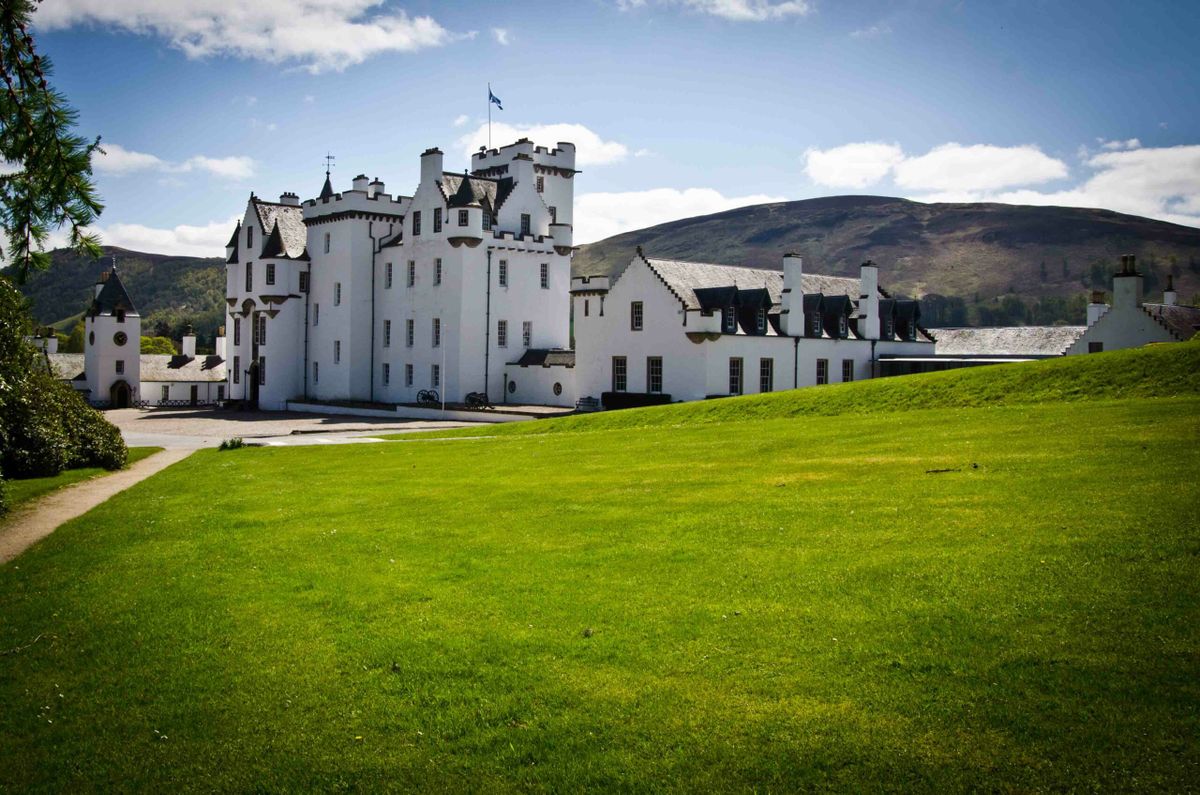
Locke led an oil firm which admitted benefitting from “corrupt payments” made to a Russian firm in 2007. He claimed the payments were actually made to cancel a contract in Russia which an employee had entered into without the knowledge of his firm’s board.
Reform’s deputy leader, Richard Tice, handed £613,000 to his party via his firm Tisun Investments, which is caught up in a tax avoidance row.
Tice also gave £553,000 to his party via Britain Means Business, a pressure group, previously called Leave Means Leave, which the Reform politician set up with a Tory donor in 2016 to push for a hard Brexit.
Among the Lib Dem’s biggest donors were former MP Alan Reid, who contributed £75,000. He was selected to contest the Argyll and Bute constituency, which he used to represent at Westminster, and is ranked second on the party’s regional list for the Highlands and Islands.
Angus MacDonald, the party’s millionaire Highland MP donated £41,250, while former deputy prime minister, Nick Clegg, gave £24,000.
The ruling SNP was considerably less effective at fundraising compared to other major parties, clocking up £1.65m (22 per cent) amidst periods of leadership turmoil, a police probe, and a drop in polling numbers. More than half of the SNP’s donations were in the form of bequests from late supporters.
The Scottish Greens received just £139,000 – a mere two per cent of the total reported by Scotland’s parties. Apart from £7,850 given to the party by its Highlands and Islands co-convenor, all recordable donations came from its MSPs’ own pockets, demonstrating a dearth of backing from larger donors.
‘Dark money’ donors
A tenth of donations (£782,000) came from unincorporated associations, which are often referred to as ‘dark money’ outfits because they do not need to disclose the source of their funds.
The UK Government recently warned that the low reporting threshold for these groups could allow “foreign or otherwise illegitimate money” to enter our politics, but a bill going through the House of Commons, if passed, will tighten the rules.
The vast majority of unincorporated association donations in Scotland went to the Tories. Some 71 per cent of the party’s £904,000 in donations came from these groups, with £589,800 awarded by the Scottish Unionist Association Trust (SUAT) via the UK party.
In 2018, The Ferret found many inconsistencies in SUAT’s financial reporting. This led to a 14-month probe by the Electoral Commission, which found the trust had broken electoral laws, and fined it.
Our investigation forced the trust to reveal its assets and members, which led a high profile trustee – and Holyrood lobbyist – to resign. Its chairman was later named and shamed by HMRC in 2019 on its list of “tax cheats”, owing almost £200,000.
SUAT previously said its money came from investing the proceeds of “tombolas and raffles” over 50 years.
Other unincorporated associations which backed the Tories with smaller amounts include the National Conservative Draws Society, which runs a private lottery for the party, the Carlton Club, which is an elite private London members organisation, and the 1900 Club and the United and Cecil Club – both secretive dining groups.
Other small unincorporated association donations came from local parties, council groups and special interest organisations, such as Labour Friends of Scotland, which has a stated aim of giving supporters “the tools they need to engage confidently in Scottish politics”.
Wealthy individuals ‘buying influence’
Commenting on The Ferret’s study, Tom Brake, a former Lib Dem MP who now heads campaign group Unlock Democracy, said: “What this comprehensive research clearly demonstrates is that a small number of wealthy individuals are buying influence and access to political parties.
“This is bad for democracy and squeezes out the voices of ordinary voters.”
He urged the UK Government to use its Representation of the People Bill, which is currently going through parliament, to extend plans for a £100,000 cap on donations from overseas voters to all UK voters.
Transparency International UK agreed that the bill presented the strongest current opportunity to tighten the rules. While the UK Government's plans to limit overseas donations “is a clear recognition of the influence big money has on our politics”, it “doesn't solve the connected problems of undue influence or declining public trust,” argued senior policy manager, Rose Zussman.
The bill “is a critical opportunity for MPs to put country before party and set meaningful limits on political finance – wherever it comes from,” she added.
Spotlight on Corruption wants the legislation to close “loopholes that allow dodgy donations” and give the Electoral Commission “robust powers to enforce new rules”.
All the above donations referred to in this article were legal.
“Whether it’s Holyrood or Westminster, nobody should be able to buy up a political party, and no party should be allowed to take money from secretive individuals or companies,” said Kamila Kingstone, who leads Spotlight’s defending democracy programme.
“Ultimately, unless it introduces an upper limit on donations, and annual spending caps to prevent an electoral arms race, the public will continue to think that democracy is for sale to the highest bidder.”

A string of central Glasgow properties are owned by a company belonging to the head of an investment firm behind a Russian shipping hub. Researchers say the port sustains Moscow’s illegal invasion of Ukraine.

Tensions are high in Glasgow following a series of protests over alleged sex crimes by migrants. Police and anti-racism groups fear extremists could inflame the situation.


The Ferret did a deep dive to explain why a bird cull on Lewis dating back centuries is causing outrage amid claims it's a "blood sport"

The Scottish Government changed key parts of the official record of Angus Robertson’s controversial Israel meeting after a backlash, raising questions about government secrecy.
